




Read About Safety Locks
Child Locks and Home Safety Basics
Child locks are designed to limit access to areas and items that may pose safety risks to children. From cabinets and drawers to appliances and doors, child safety locks help create safer environments for infants and toddlers while still allowing adults to use household items normally.
Types of Child Safety Locks
Children’s safety locks come in several forms, each designed to address different hazards and household layouts.
Childproof Latches
Childproof latches are commonly used on cabinets and drawers to prevent them from opening fully.
- Best for: cabinets and drawers at child height
- Advantages: simple design and reliable resistance
- Considerations: placement affects effectiveness
Child Lock Straps
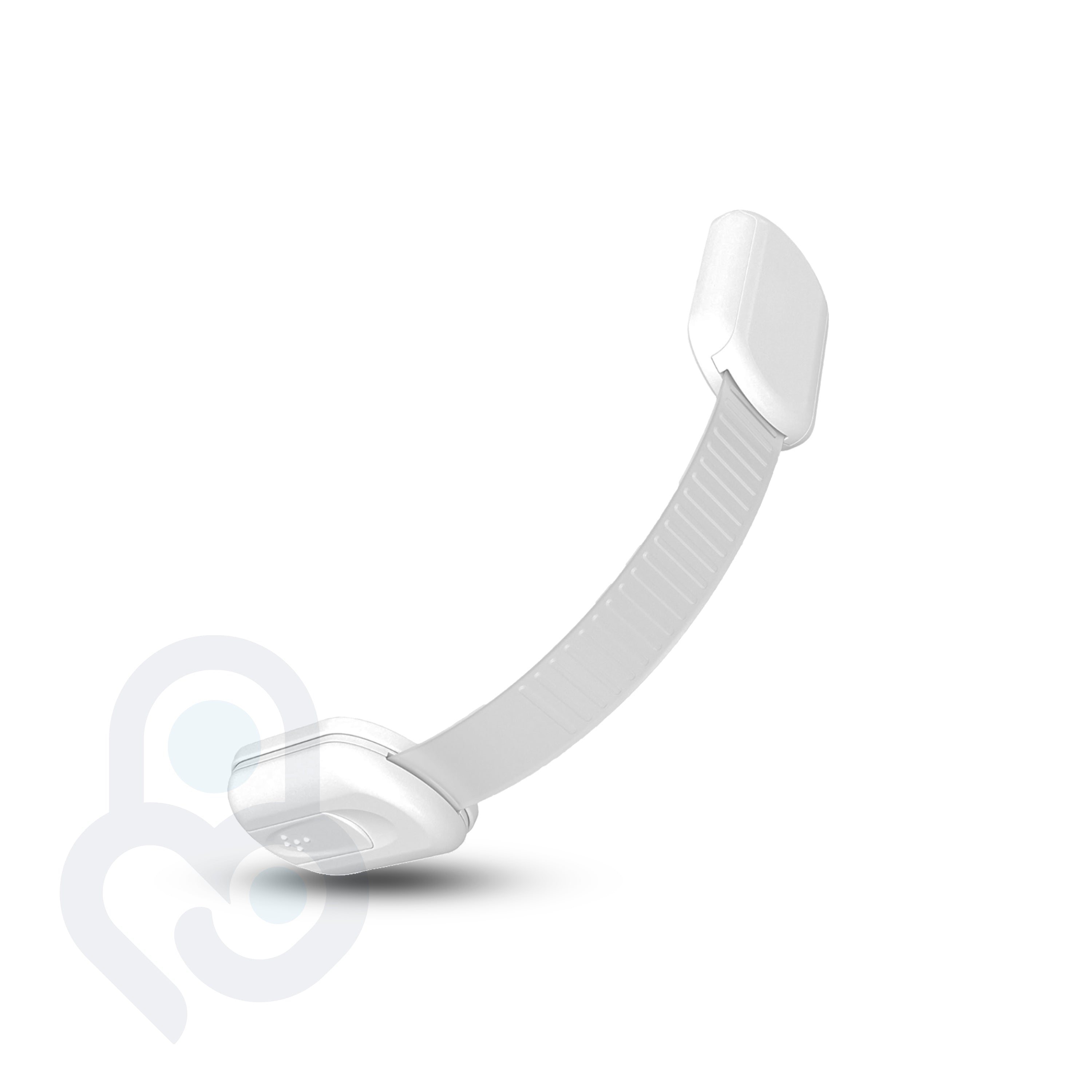
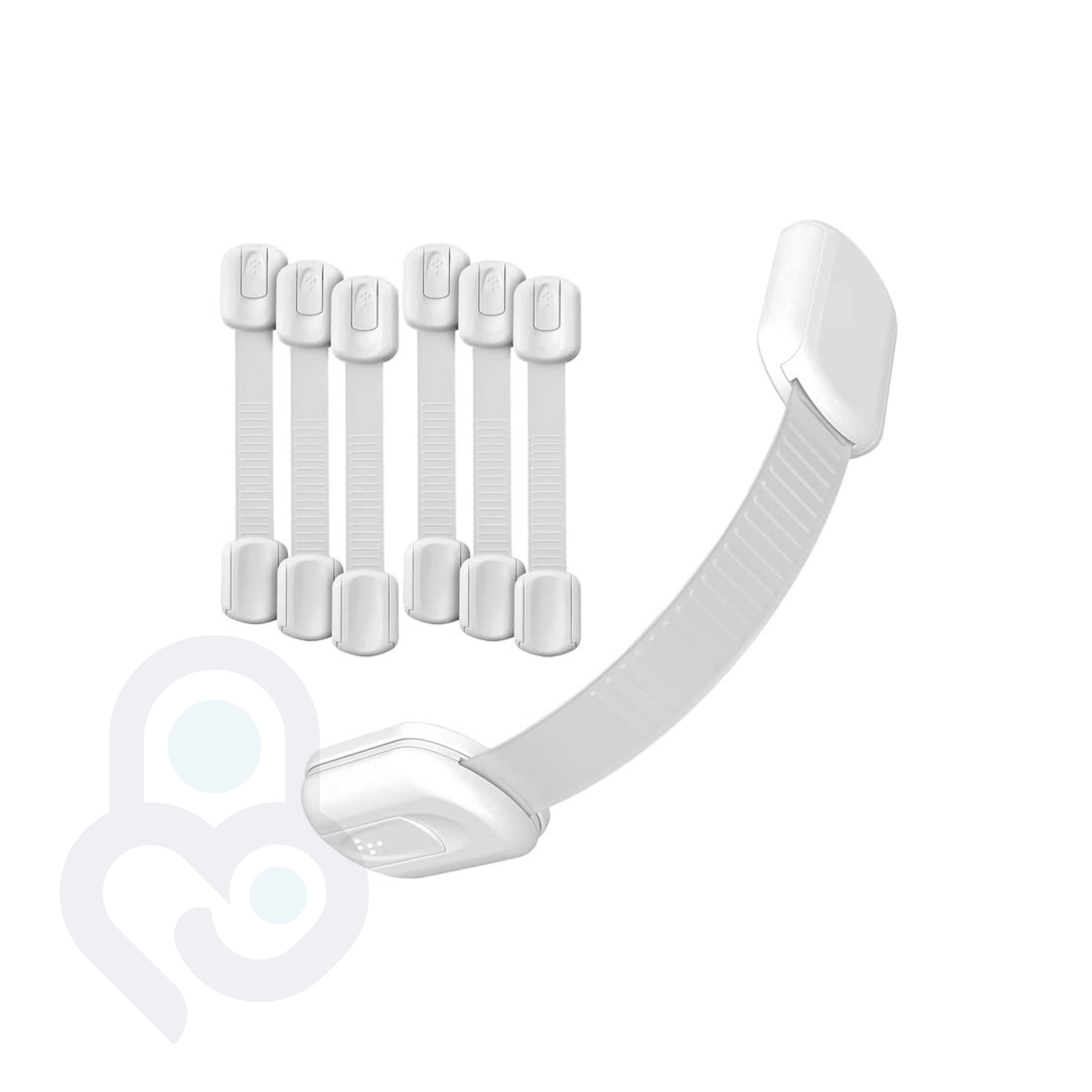
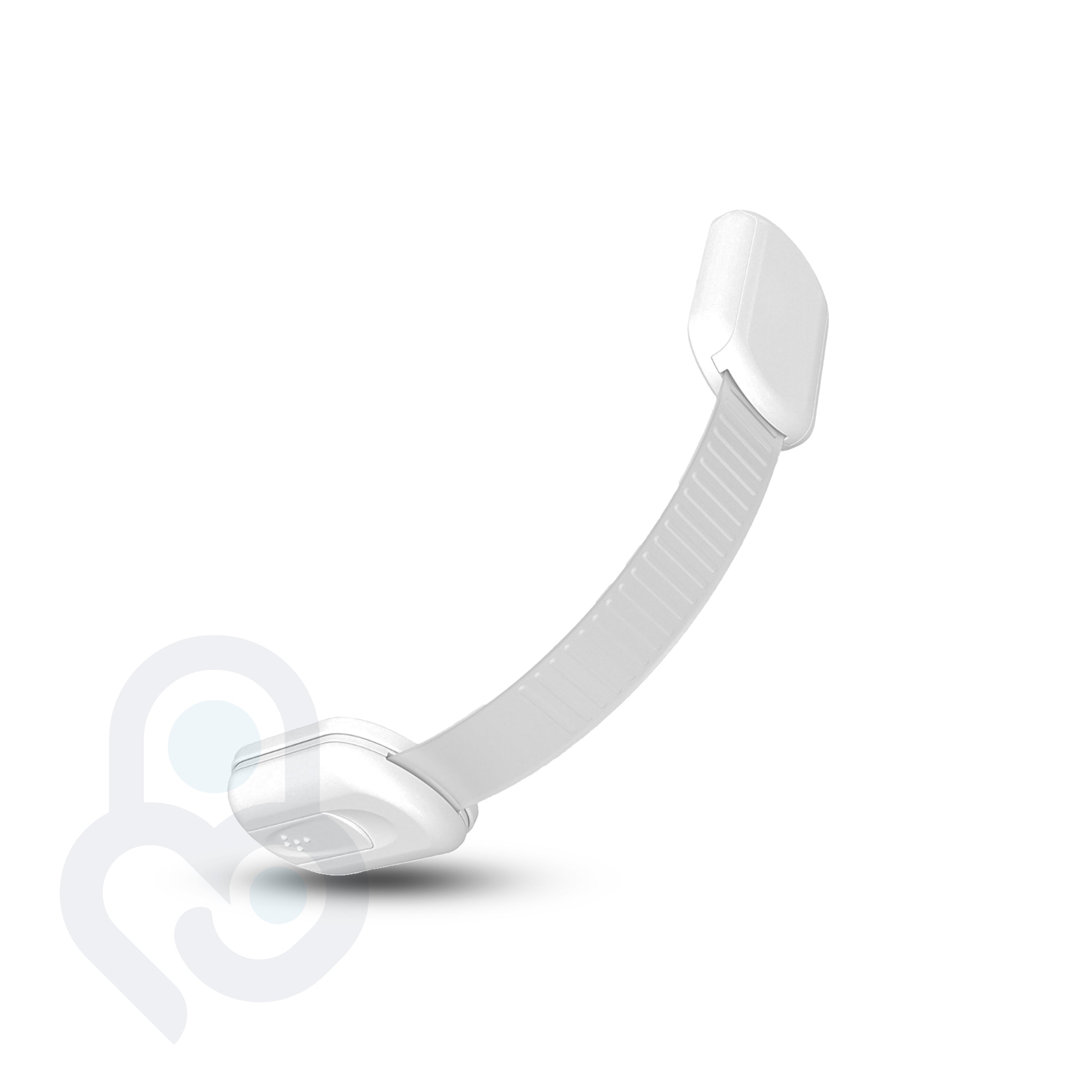
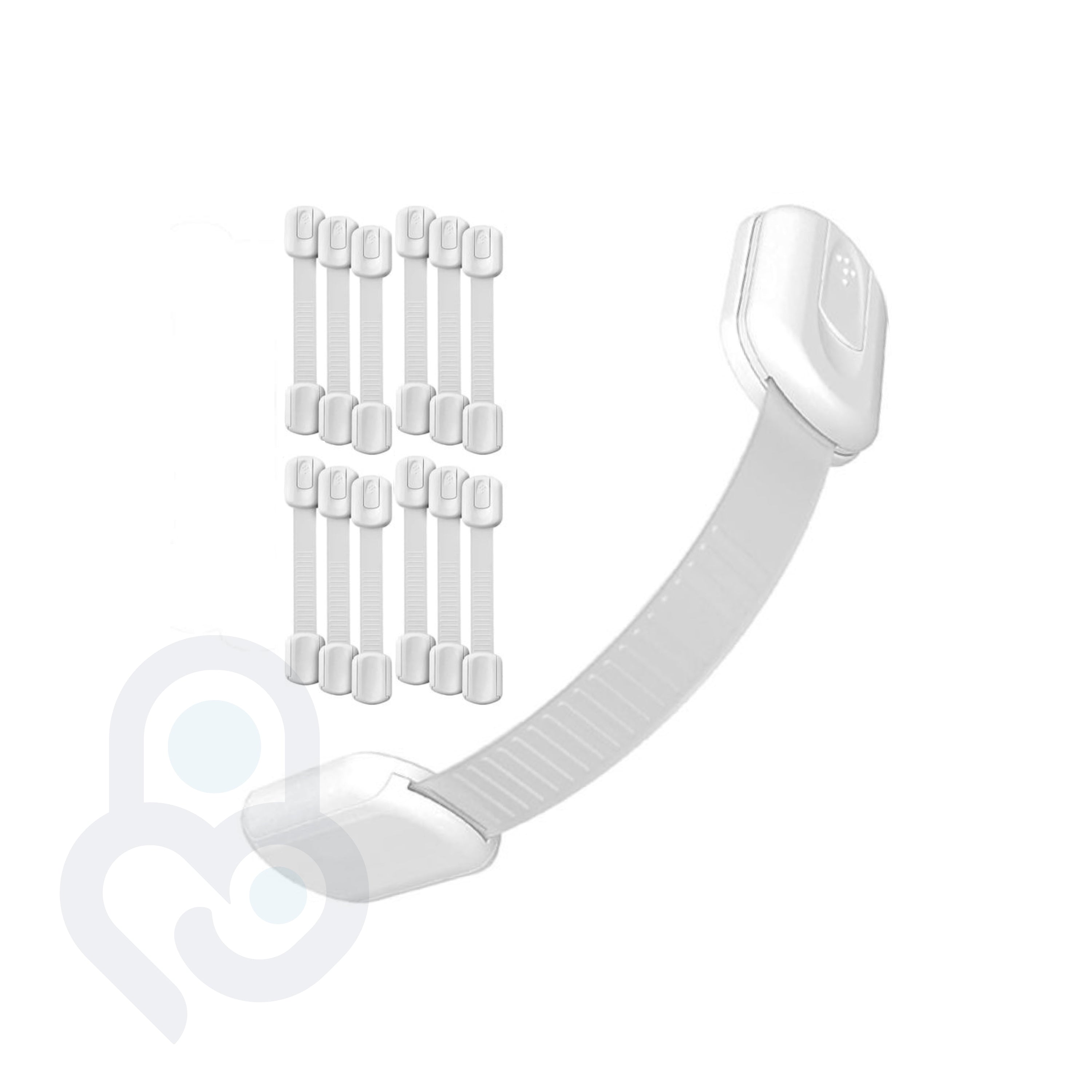
Child lock straps connect two surfaces, such as appliance doors or cabinet doors, to restrict opening.
Multi Purpose Safety Locks
Multi purpose child safety locks are flexible solutions designed to work on various household items, including toilets, appliances, and storage units.
Why Child Safety Locks Are Important
Injury Prevention for Infants and Toddlers
Infants and toddlers explore their surroundings by opening doors and pulling on objects. Childproof locks reduce the risk of injury from sharp items, heavy objects, or hazardous substances.
Controlling Access Around the Home
- Limits access to cleaning products and medications
- Reduces the risk of pinched fingers and tipping hazards
- Helps maintain safer play areas
How to Choose the Right Child Lock
Location and Intended Use
The best child lock depends on where it will be used. Cabinets, drawers, appliances, and doors each require different locking approaches.
Ease of Adult Use
An effective child safety lock should be difficult for children to open but simple for adults to operate during daily routines.
Temporary Versus Long Term Solutions
- Temporary locks: useful for short term safety needs or travel
- Long term locks: better for ongoing childproofing
Child safety locks are most effective when paired with supervision and consistent household safety habits.
Installation, Use, and Maintenance
Surface Preparation
Clean surfaces thoroughly before installing any child lock. Removing dust and residue improves adhesion and stability.
Testing and Adjustment
After installation, test locks regularly to ensure they remain secure and function properly for adults.
Ongoing Care
Periodically inspect childproof locks for loosening or wear, especially in high use areas of the home.
Putting Child Safety Locks to Work at Home
Child locks play an important role in creating safer living spaces for growing families. By selecting locks suited to specific hazards, installing them carefully, and maintaining them over time, parents and caregivers can reduce risks while allowing children to explore safely within appropriate boundaries.
Frequently Asked Questions About child lock
At what age should child locks be installed?
Child locks are typically installed once a child becomes mobile and begins exploring cabinets, drawers, and doors.
Do child safety locks replace adult supervision?
No. Child safety locks are an added layer of protection and should always be used alongside supervision.
Are childproof locks easy for adults to open?
Most are designed to balance child resistance with straightforward adult operation.
Can child locks be removed later?
Many child locks are designed to be removable, especially adhesive based options, when no longer needed.
Which areas should be childproofed first?
Areas containing hazardous items or located at child height should be secured as a priority.