
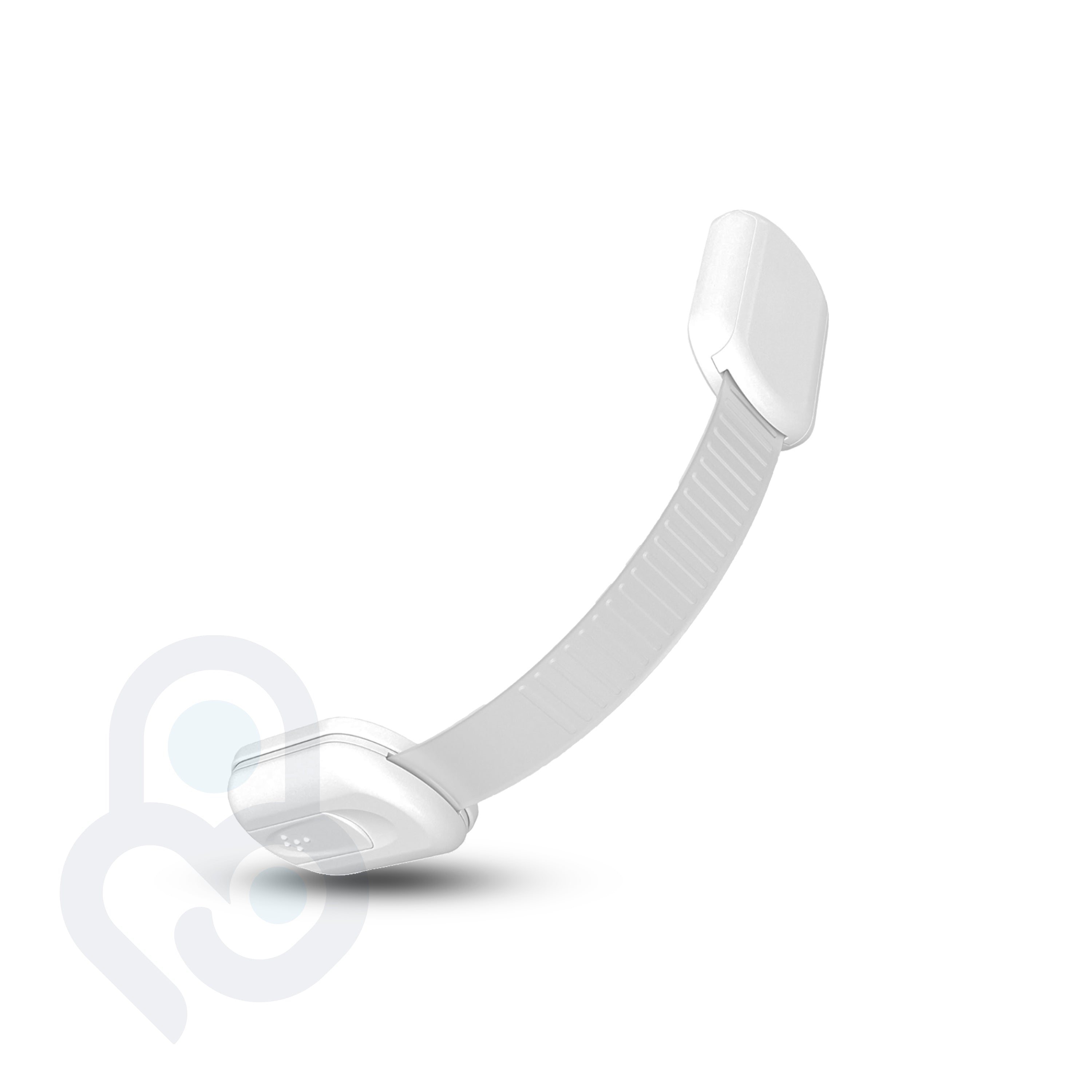
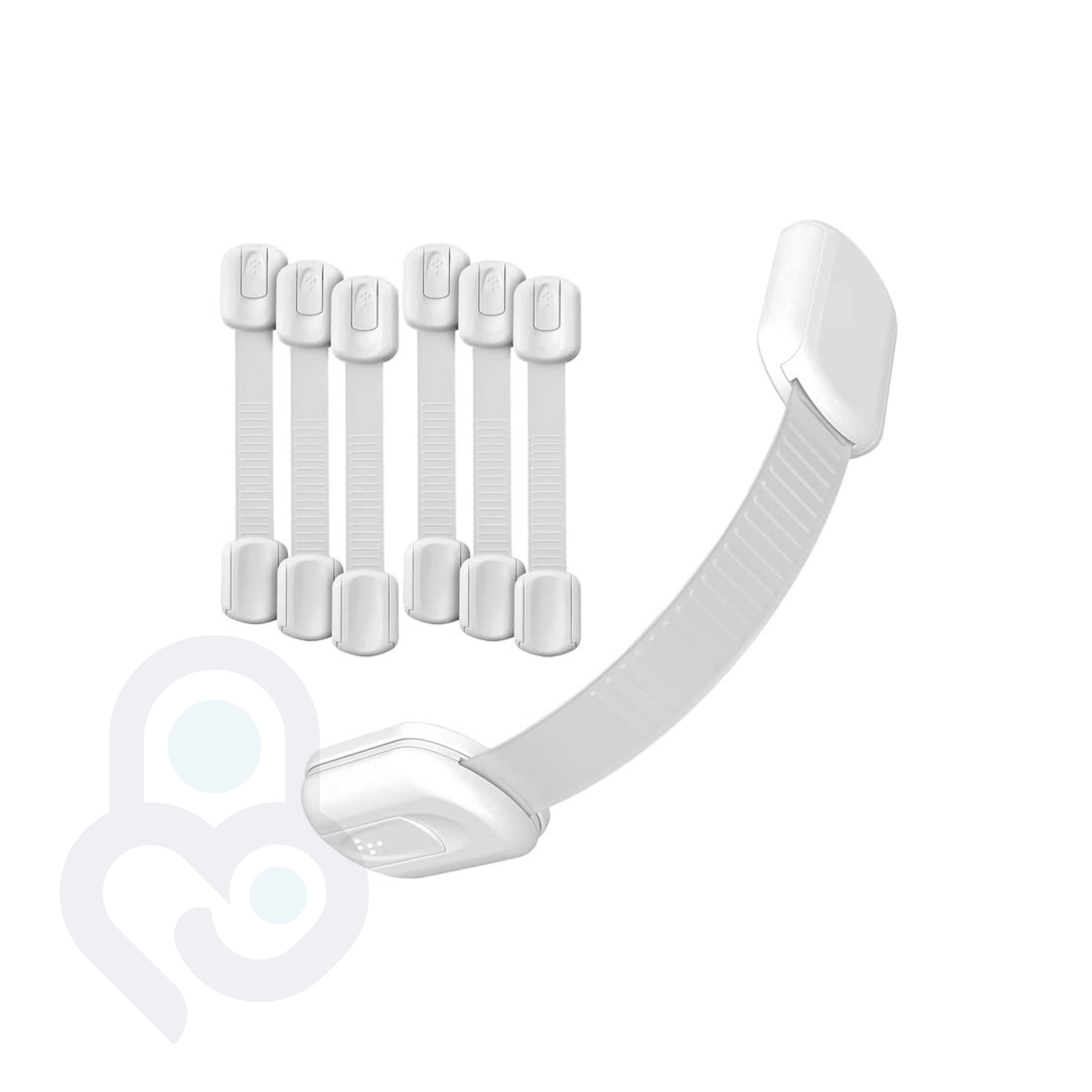
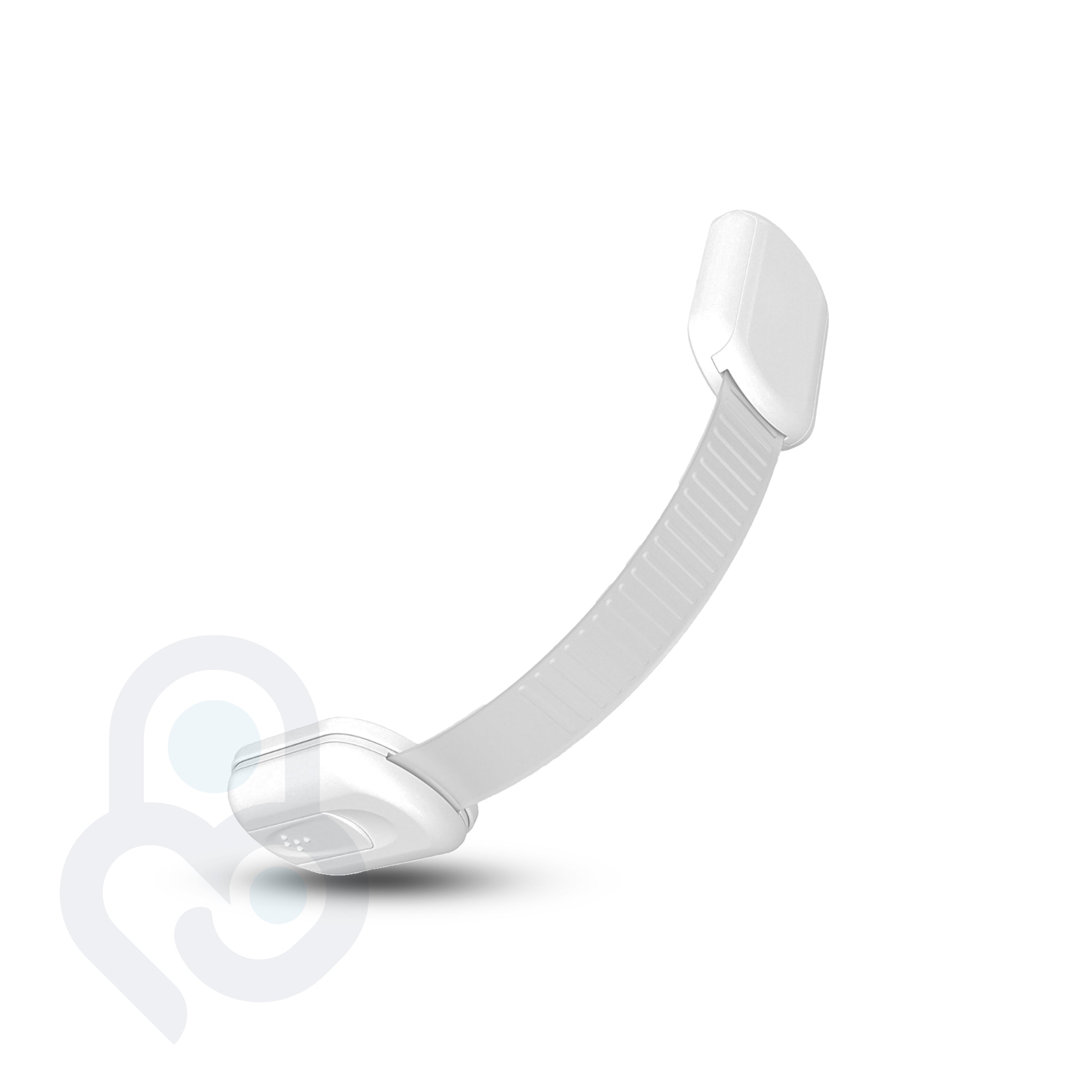
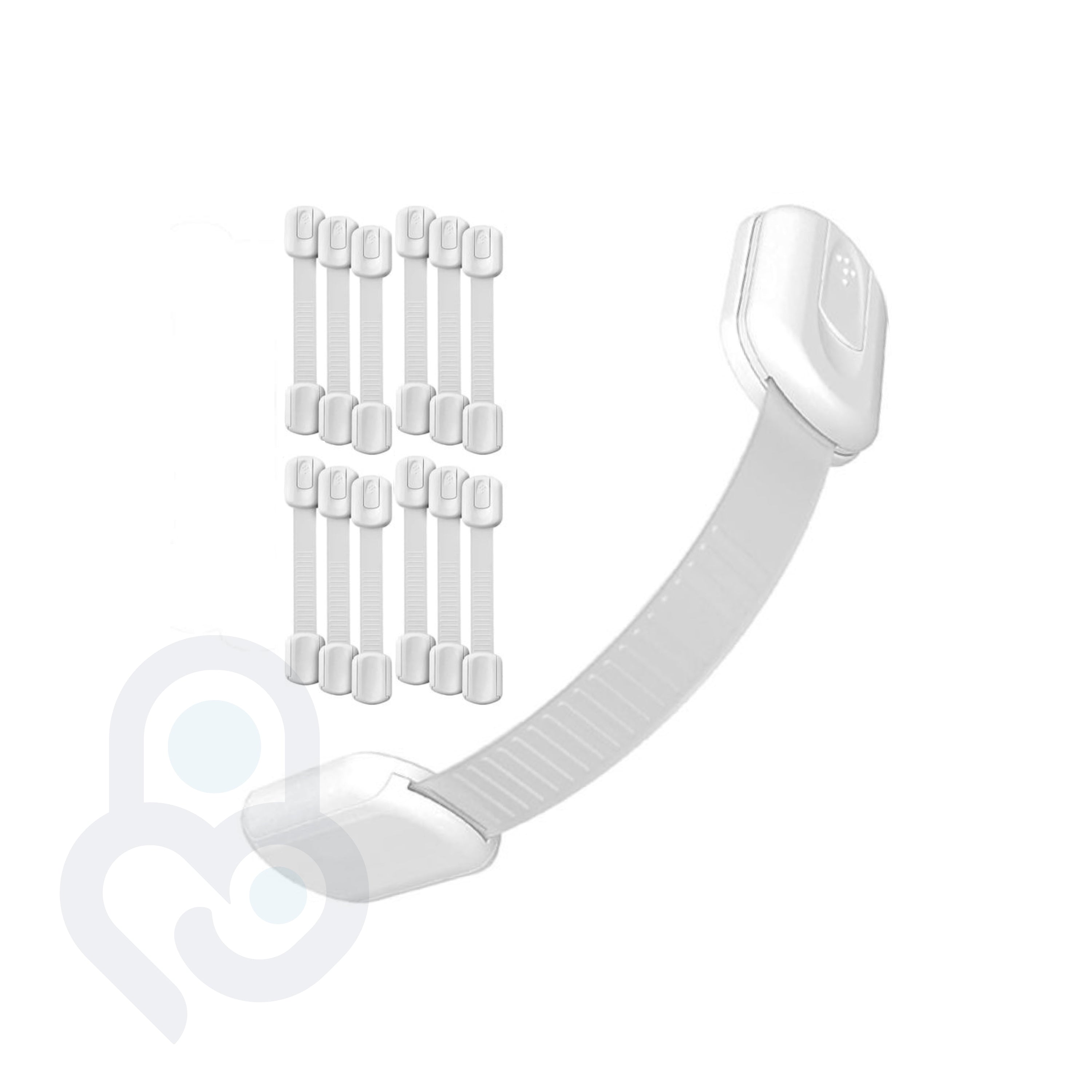
Baby Proof Me | Adjustable Safety Strap Lock


Baby Proof Me | Magnetic Safety Lock Kit


Read About Drawer Locks
Drawer Locks and Drawer Safety Solutions
Drawer locks are designed to keep drawers securely closed and limit access to items that may be unsafe for children or sensitive to handling. They are widely used to baby proof drawers in kitchens, bedrooms, bathrooms, and storage areas. With many styles available, drawers can be secured without affecting everyday adult use.
Types of Drawer Locks
Locks for drawers come in a variety of designs, each offering different levels of security, visibility, and ease of installation.
Childproof Drawer Locks
Childproof drawer locks are specifically designed to prevent infants and toddlers from opening drawers while remaining easy for adults to operate.
- Best for: baby proofing kitchens and dressers
- Advantages: balances safety and adult convenience
- Considerations: proper placement is essential
Adhesive and No Drill Drawer Locks
Locks for drawers without drilling use adhesive pads or tension based designs. These options are popular for renters and temporary safety needs.
Key and Hidden Drawer Locks
Drawer hidden locks and key locks provide a higher level of control. These are often used for dresser drawers, office furniture, or drawers storing valuable or hazardous items.
Why Locking Drawers Is Important
Infant and Child Safety
Drawers often contain sharp tools, medications, small objects, or heavy items. Childproof drawer locks help reduce the risk of injury and accidental ingestion.
Protecting Contents and Furniture
- Prevents spills and broken items
- Reduces wear from repeated slamming
- Helps keep drawers organized
How to Childproof Drawers Effectively
Drawer Location and Use
Kitchen drawers, dresser drawers, and low level storage drawers are common targets for childproofing due to easy access by children.
Choosing the Best Drawer Lock
The best drawer lock depends on drawer size, frequency of use, and the level of security required. Heavier drawers may need stronger locks.
Temporary Versus Long Term Solutions
- Temporary locks: suitable for early stages of childproofing
- Long term locks: better for ongoing safety needs
Effective drawer safety comes from selecting the right lock type and using it consistently throughout daily routines.
Installation, Use, and Maintenance
Surface Preparation
Clean drawer surfaces thoroughly before installing any lock. Removing dust and residue improves adhesion and alignment.
Testing and Adjustment
After installation, test each drawer several times to confirm smooth adult access and reliable locking.
Ongoing Care
Periodically inspect drawer locks for wear or loosening, especially in frequently used areas like kitchens.
Practical Guidance for Drawer Safety
Drawer locks provide an effective way to improve household safety while protecting drawer contents and furniture. By choosing appropriate lock styles, installing them carefully, and maintaining their function over time, households can successfully baby proof drawers without sacrificing convenience.
Frequently Asked Questions About Drawer Locks
Do drawer safety locks really prevent children from opening drawers?
Yes. When installed correctly, drawer locks significantly reduce a child’s ability to open drawers.
Are drawer locks safe for dresser drawers?
Drawer locks are commonly used on dresser drawers to prevent tipping hazards and access to personal items.
Can drawer locks be installed without drilling?
Many drawer locks use adhesive or tension based designs that do not require drilling.
Which drawers should be childproofed first?
Drawers containing hazardous items or located at child height should be secured first.
How often should drawer locks be checked?
Locks should be inspected regularly to ensure proper alignment and continued effectiveness.