


Read About Cabinet Door Locks
Locks for Cabinet Doors and Door Safety
Locks for cabinet doors are designed to keep cabinet doors securely closed while limiting access to items that may be unsafe or easily damaged. They are commonly used for childproofing cabinet doors in kitchens, bathrooms, and storage areas. By locking cabinet doors, households can reduce accidents and maintain better control over stored contents.
Types of Cabinet Door Safety Locks
Cabinet door safety locks are available in several designs, each suited to different cabinet styles, usage patterns, and safety needs.
Magnetic Cabinet Door Locks
Magnetic cabinet door locks use an internal latch that opens only when a magnetic key is placed on the outside of the cabinet door. The locking mechanism remains hidden inside the cabinet.
- Best for: child safety with a clean cabinet appearance
- Advantages: hidden installation and strong holding power
- Considerations: precise alignment is required
Adhesive Locks and Safety Latches
Adhesive cabinet door locks and safety latches attach without drilling. These options are popular for renters or temporary childproofing solutions.
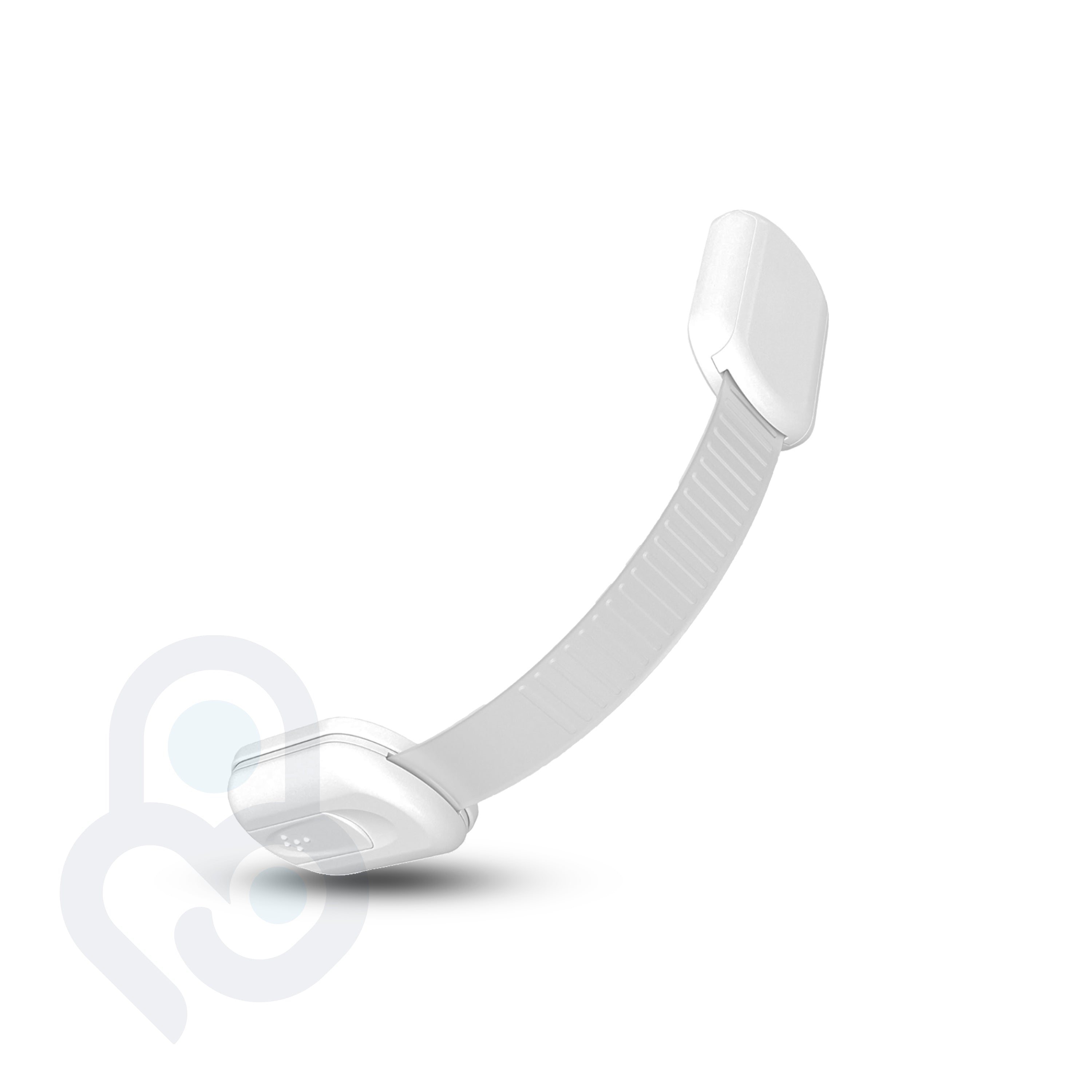
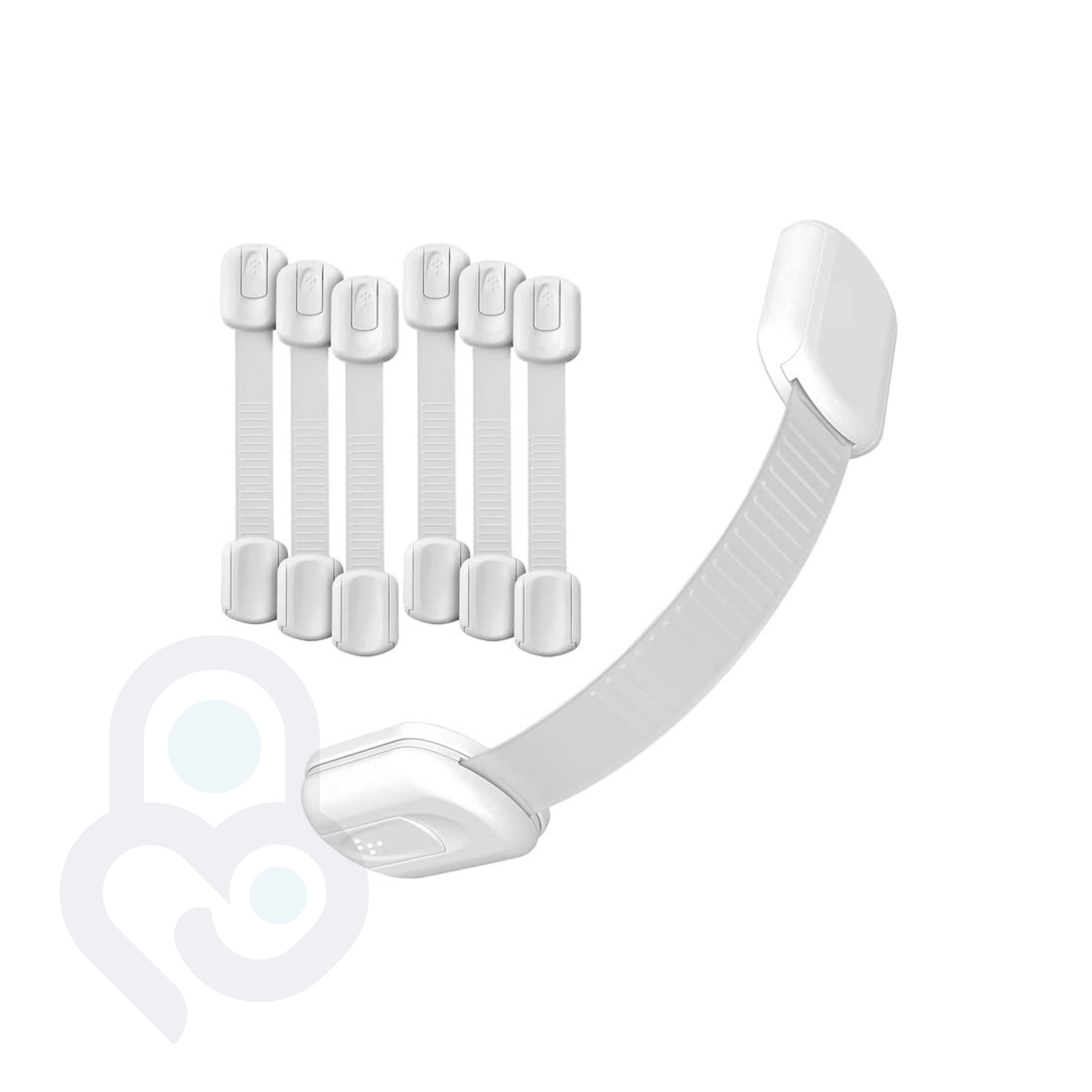
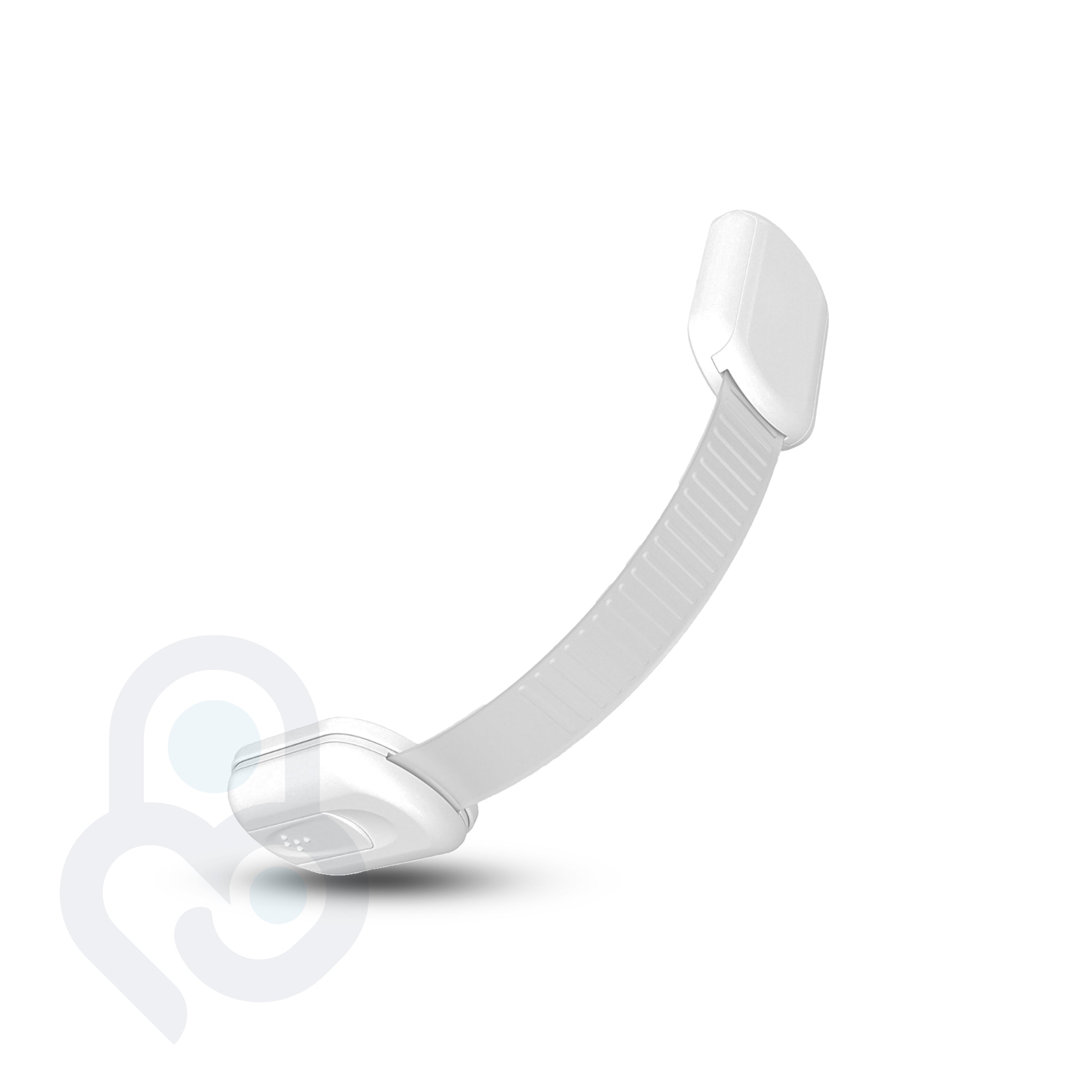
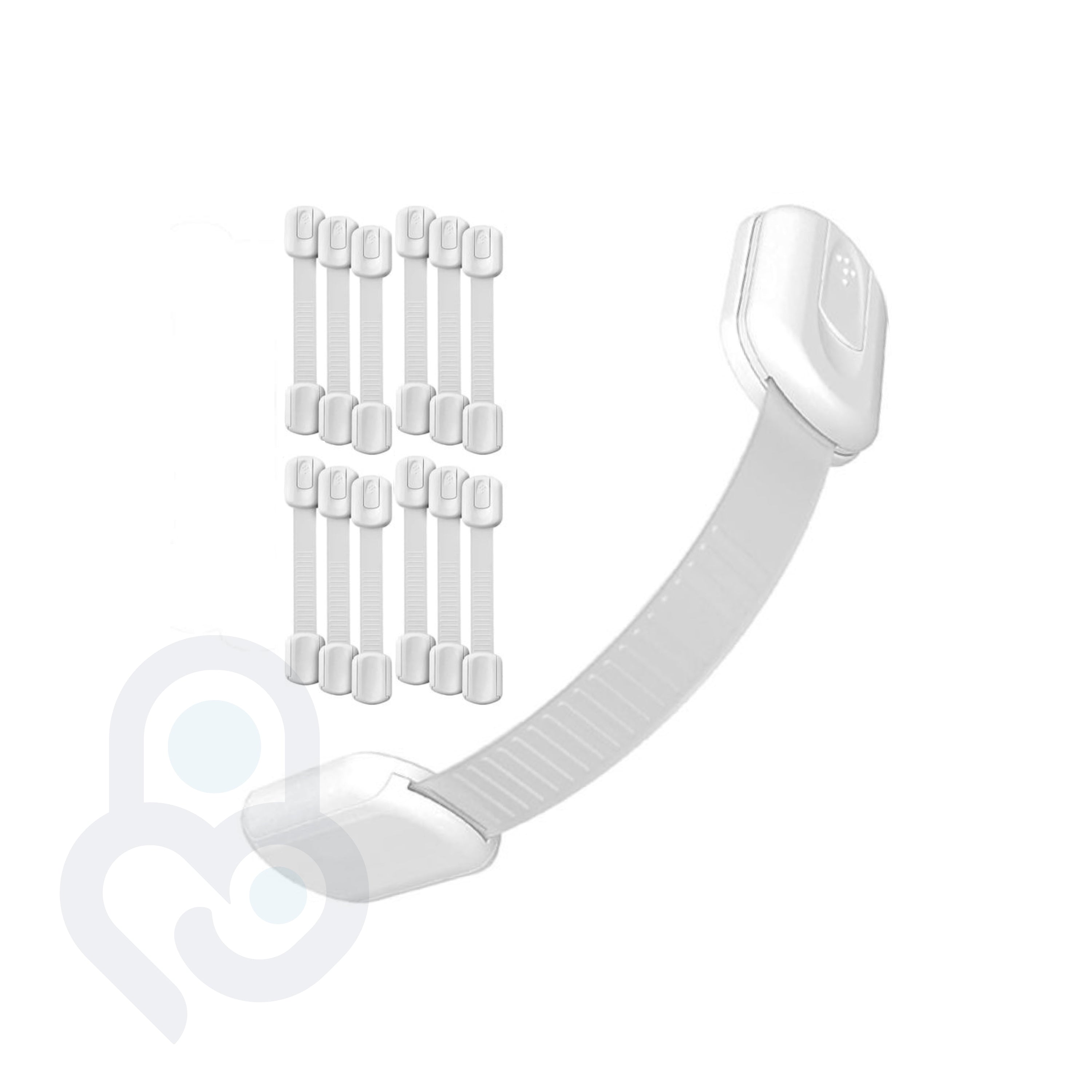
Strap and Handle Based Cabinet Door Locks
Strap locks and handle based locks secure cabinet doors by connecting two doors or wrapping around handles, preventing doors from opening fully.
Why Locking Cabinet Doors Matters
Child Safety and Injury Risks
Cabinet doors often conceal cleaning supplies, sharp objects, medications, and heavy items. Unlocked doors allow easy access for children.
Controlling Access to Stored Items
- Prevents access to hazardous products
- Reduces spills and broken items
- Helps keep cabinets organized
How to Childproof Cabinet Doors Effectively
Cabinet Door Types and Compatibility
Cabinet doors may be single, double, or corner style. The selected lock must match the door configuration and cabinet frame design.
Choosing the Right Lock for Cabinet Doors
The right cabinet door lock balances safety with ease of adult use. Frequently accessed cabinets may require locks that open quickly.
Temporary Versus Long Term Solutions
- Temporary locks: suitable for short term childproofing
- Long term locks: ideal for ongoing cabinet safety
Effective cabinet door safety depends on choosing locks that fit cabinet design and using them consistently during daily routines.
Installation, Use, and Maintenance
Surface Preparation
Clean cabinet doors and frames thoroughly before installation. Removing grease and residue improves adhesion and lock performance.
Alignment and Testing
After installation, test each cabinet door to confirm smooth adult access and reliable locking.
Ongoing Care
Periodically inspect cabinet door locks for wear or misalignment, especially in high use areas like kitchens.
Practical Guidance for Cabinet Door Safety
Cabinet door safety locks provide a practical way to improve household safety while protecting stored items. By understanding different lock types, selecting solutions that fit cabinet layouts, and maintaining them over time, households can successfully childproof cabinet doors without sacrificing convenience.
Frequently Asked Questions About Cabinet Door Locks
Do cabinet door locks really keep children out?
Yes. When installed correctly, cabinet door locks significantly reduce a child’s ability to open cabinet doors.
Which cabinet doors should be locked first?
Doors that conceal hazardous items or are located at child height should be secured first.
Are adhesive cabinet door locks strong enough?
Adhesive locks can be effective on clean, smooth surfaces when used as directed.
Can cabinet door locks be installed without drilling?
Many cabinet door locks use adhesive or strap based designs that do not require drilling.
How often should cabinet door locks be checked?
Cabinet door locks should be inspected regularly to ensure proper alignment and continued effectiveness.
Best Sellers


Electrical Outlet Plug Covers & Removal Tool
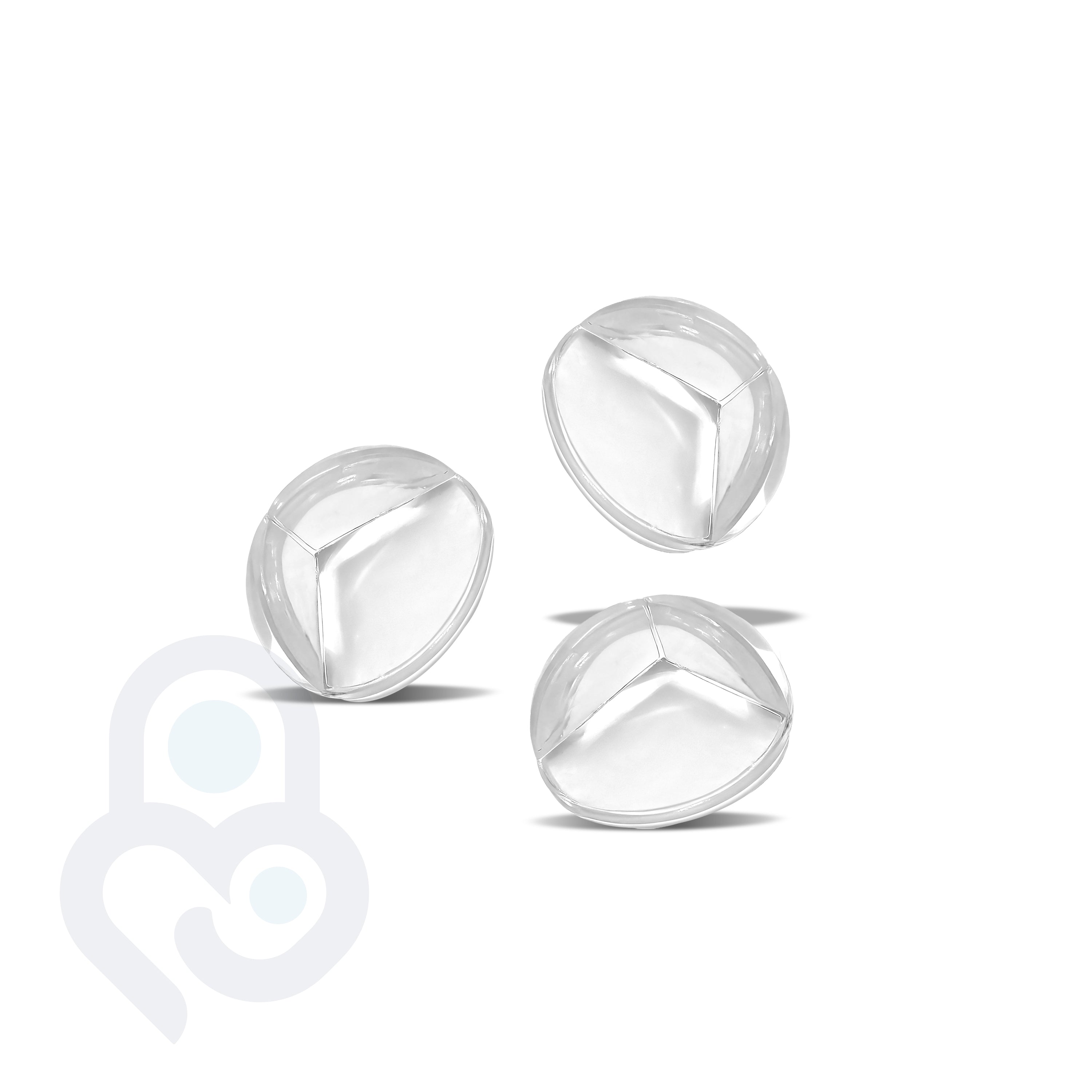
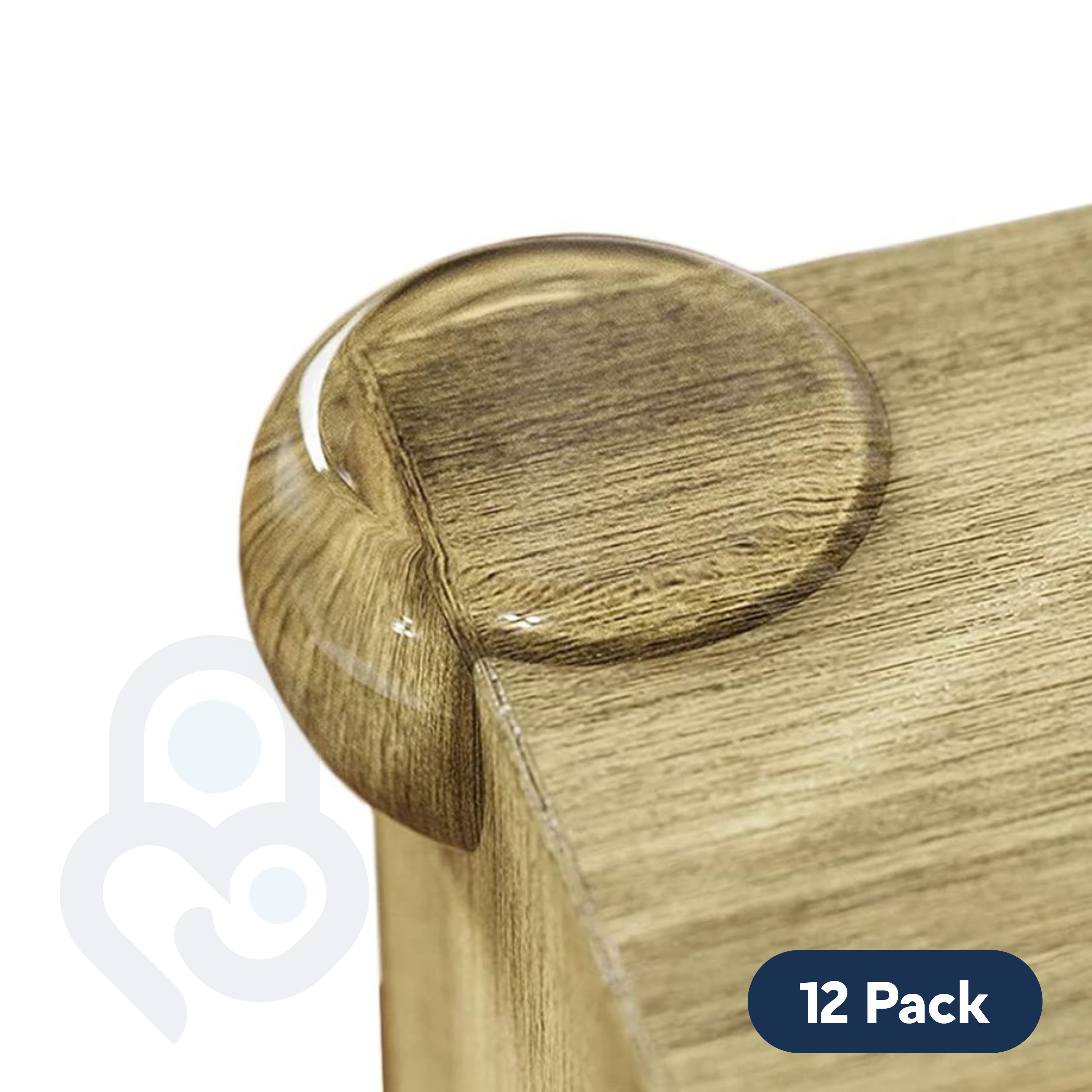
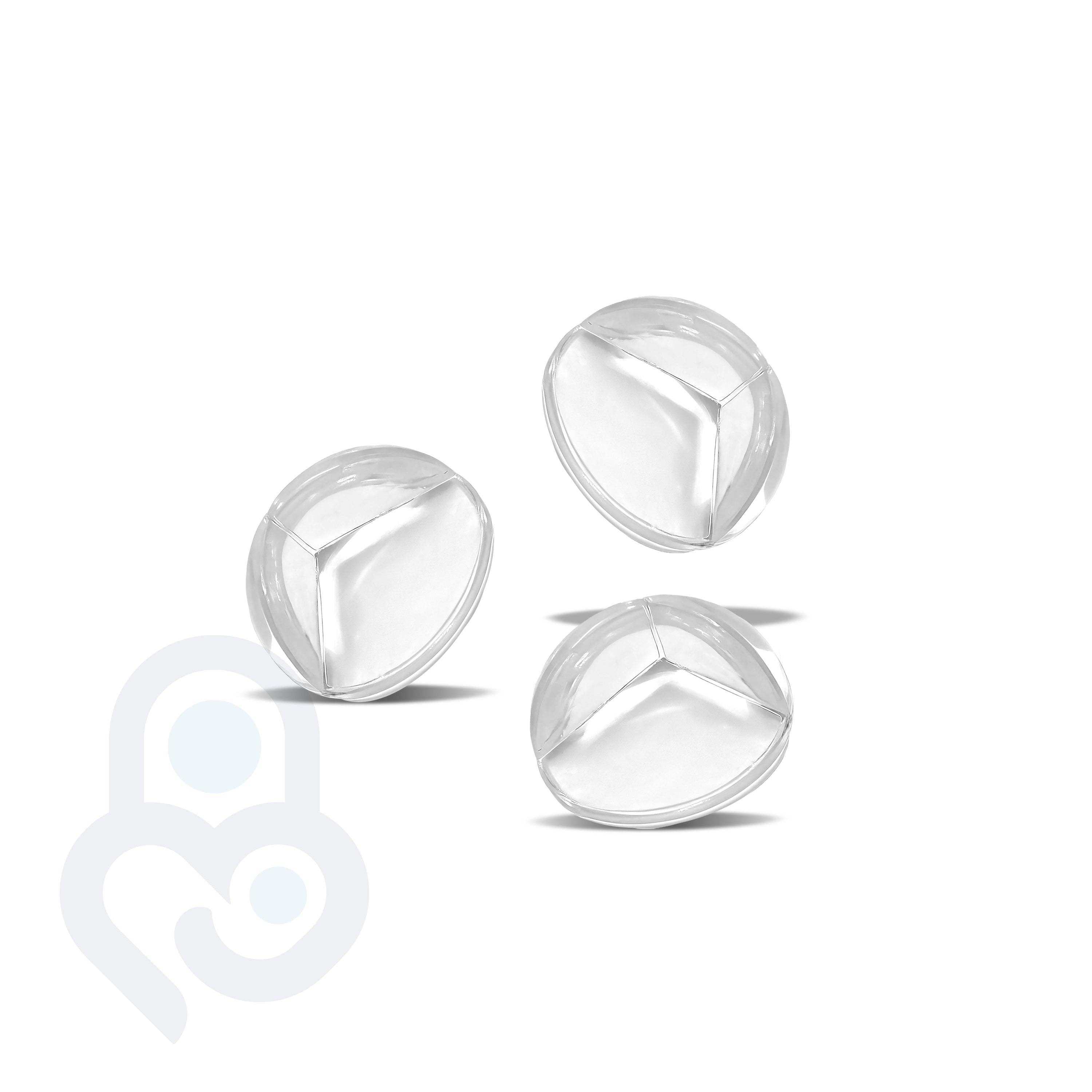
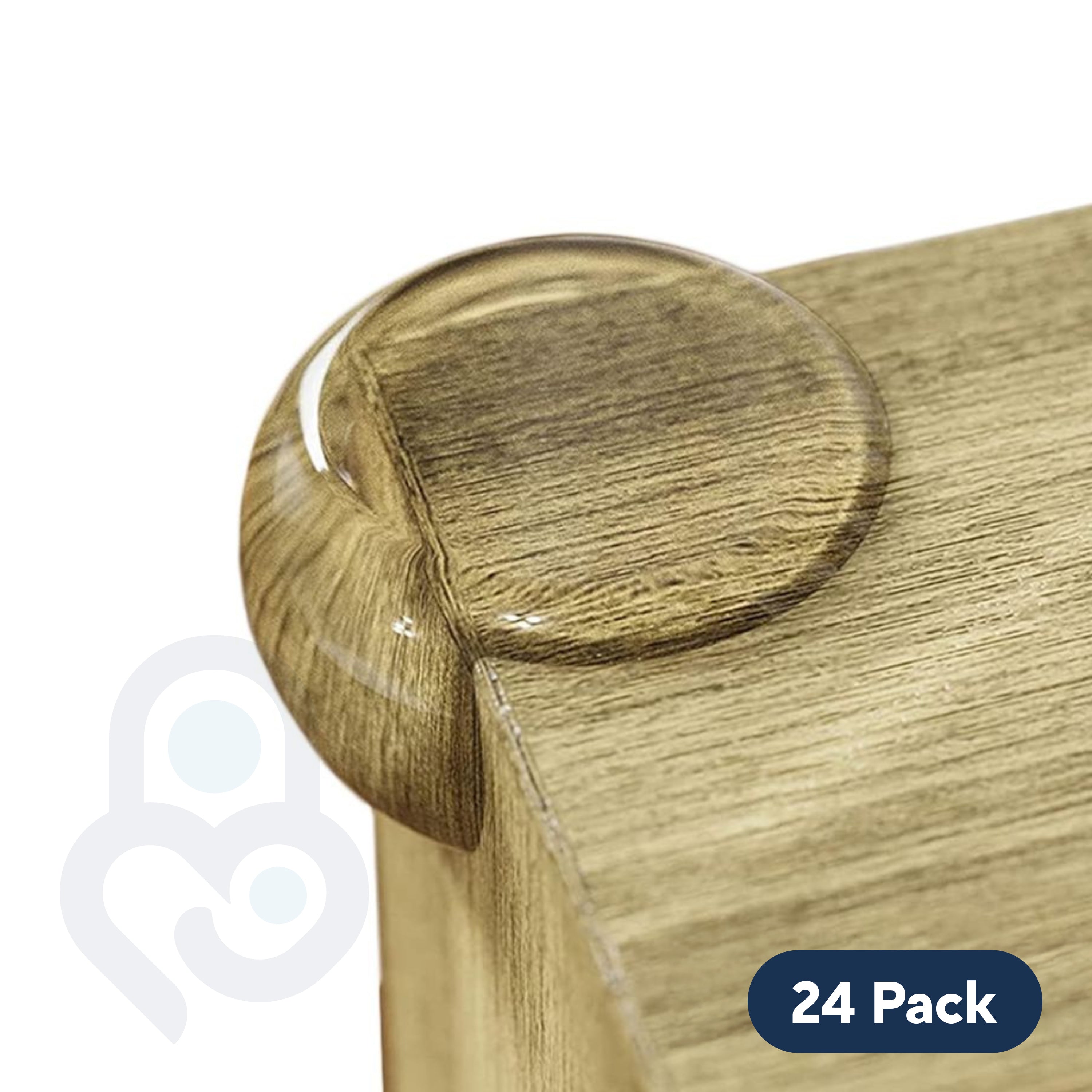
Clear Table & Counter Corner Protectors