
Baby Ate Dog or Cat Food? Who to Call, and How to Keep Pet Food and Litter Out of Reach
Who to call when a baby eats dog food, cat food or cat litter, and how to keep pet food and litter out of a crawler’s reach.

If your baby ate dog food, cat food or pet treats, call Poison Help at 1-800-222-1222 (America’s Poison Centers). America’s Poison Centers says, "Calls are free, confidential, and answered by experts, 24/7/365." In the AAP’s words on its Poison Prevention & Treatment Tips for Parents page on HealthyChildren.org: "If your child is unconscious, not breathing, or having convulsions or seizures due to poison contact or ingestion, call 911 or your local emergency number immediately." If your baby ate cat litter, cat poop or dog poop, call Poison Help and your pediatrician.
Baby Ate Dog Food or Cat Food: Who to Call
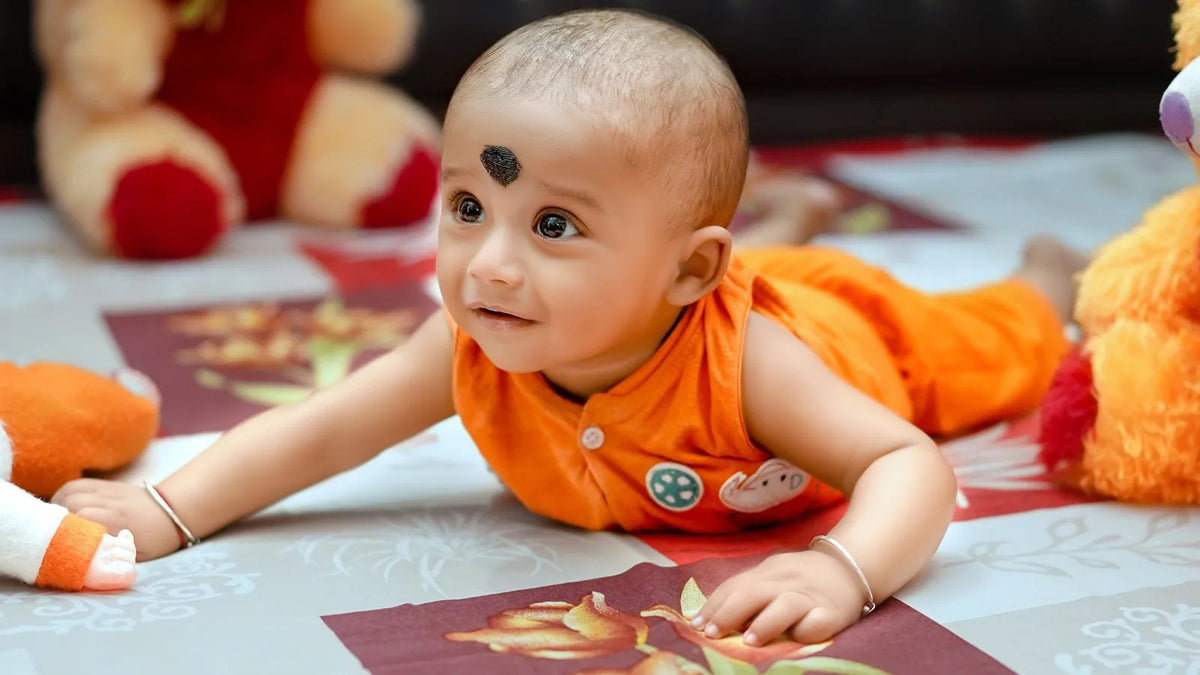
Picture this: you step away to answer the door, and when you turn back, your crawler is beside the pet bowl with kibble in hand. The next move is a phone call, and it is the same for dry food, canned food or a treat from the jar.
Poison Help at 1-800-222-1222 is answered by America’s Poison Centers’ member centers, and America’s Poison Centers says the number is for "emergency, or if you have questions." That covers the day a toddler ate dog food. It also covers the baby eating dog food off the floor and the 1-year-old who got into the cat’s dinner.
The call does not change with the brand, the flavor or which pet the food belongs to. Dial the number.
The AAP says to call 911 or your local emergency number immediately if your child is unconscious, not breathing, or having convulsions or seizures.
A swallowed pet medicine, flea and tick product or anything else from the pet shelf
The call does not change when the item is not food. For a swallowed pet medicine, a flea and tick product or anything else from the pet shelf, call Poison Help at 1-800-222-1222. Call 911 if your child is unconscious, not breathing, or having convulsions or seizures.
Store pet medicines the way the AAP says to store medicine: "in their original packaging in locked cabinets or containers, out of sight and reach of children." The pet shelf deserves the same attention as the human medicine shelf.
Baby Ate Cat Litter or Cat Poop: Who to Call First
If your baby ate cat litter or your baby ate cat poop, make two calls. Call Poison Help at 1-800-222-1222, and call your pediatrician. Dog poop gets the same two calls. If your child is unconscious, not breathing, or having convulsions or seizures, call 911 right away.
The pediatrician call is about infection risk: the CDC says, "Dog and cat poop can contain parasites and germs that can be harmful to people."
Babies and toddlers are in a higher-risk group, as the CDC explains: "Children under 5 are more likely to get sick from germs that animals can carry. This is because young children often touch surfaces that may be contaminated with animal feces (poop), and they are more likely to put their hands in their mouths."
For a baby eating cat litter or a child eating cat litter, call Poison Help and your pediatrician.
Keep both numbers easy to find. Your pediatrician’s office line belongs in your phone right beside Poison Help, so the second call takes seconds, not a search.
Prevention Is About Where Things Are Kept
America’s Poison Centers reports this number for 2024:
Those are accidents, not misbehavior. The steps that follow are about where things are kept: the pet food, the litter and the lock keys. Walk through your home once and ask where each of those three sits. Then ask whether a crawler could reach any of them while you are looking the other way.
Store Pet Food Where Your Baby Cannot Reach It
Start with what the FDA says about pet food itself: "Pet food and treats, like many other types of food, can be contaminated with harmful bacteria that cause foodborne illnesses, such as salmonellosis and listeriosis." The FDA also says raw pet food is more likely than processed pet food to contain harmful bacteria, such as Salmonella and Listeria monocytogenes.
That is the reason behind the FDA’s handling advice. For food safety, it says to store dry pet food "in its original bag" with "the top of the bag tightly folded down."
Picture this: a bag of dry food leans against the wall in a hallway, its top rolled open. Your baby has just learned to pull up on anything within reach. Moving the bag into a closed cabinet changes that scene before it starts.
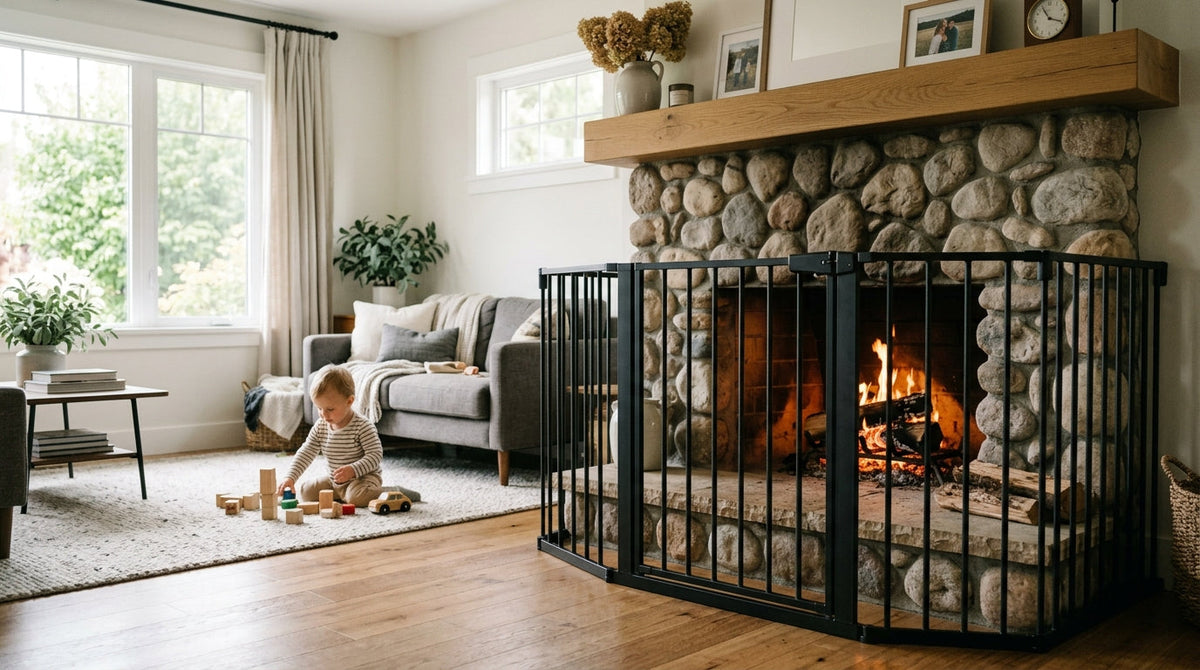
Next, keep that bag in a cabinet fitted with a child safety lock. That is a layer between your baby and the bag. It is not a guarantee.
The AAP says, "Safety latches that automatically lock when you close a cabinet door can help to keep children away from dangerous products, but there is always a chance the device will malfunction or the child will defeat it." America’s Poison Centers says, "there is no such thing as a 100-percent child-proof lock or container." Neither a latch nor a lock replaces an adult’s eyes.
Baby Proof Me Magnetic Safety Lock Kit
This kit is one way to lock that cabinet. Its magnetic locks are hidden: "Our magnetic lock is invisible and will not be seen," the product page says. They suit "cabinets and pull-out drawers" and mount with 3M adhesive or screws. For adhesive mounting, the product page says, "For best results allow 24 hours for the adhesive to fully bond onto the surface."
Kits run from 6 locks and 2 keys to 36 locks and 9 keys. An adult unlocks the cabinet from the outside with the magnetic key. The kit’s own warning applies: "This product is not a substitute for adult supervision."

The kit’s keys are magnets, so store them where your child cannot reach them. If you suspect a magnet has been swallowed, the CPSC says to "Seek immediate medical attention": call 911 or Poison Help at 1-800-222-1222.


Keep Your Baby Away From the Pet at Mealtimes
Meals are when a bowl is full and a pet is focused on it. In a home with pets and babies under one roof, the CDC’s mealtime advice is worth adopting as a house rule. The CDC says, "Keep children away from animals while they are eating to prevent the risk of bites or other injuries." Decide ahead of time which adult is watching the baby when the bowl goes down, so the job never falls between two people.
Cleanup matters too. The FDA says to "Promptly refrigerate or throw out unused or leftover canned and pouched pet food." Follow that, and no leftover wet food sits in a bowl on the floor within a crawler’s reach.
The Litter Box, the Yard and Handwashing
The CDC says to "Keep children away from areas that might contain dog or cat poop to prevent them from getting roundworms and hookworms." A litter box is one of those areas, so keep it where your crawler cannot get to it.
The CDC gives three more tips:
- "Clean the cat’s litter box daily to lower the chances of exposure to harmful parasites."
- "Cover sand boxes so cats don’t use them as a litter box."
- "Always remove your dog’s feces (poop) from your yard and public places."
Handwashing covers what storage misses. The CDC says, "Always wash children’s hands thoroughly with soap and water right after they touch, feed, or care for animals," and "Adults should supervise handwashing for young children." It lists "Feeding your pet or handling pet food" among the times everyone should wash hands. That includes you, every time you fill the bowl, before you pick up your baby.
The CDC also says not to let children put their hands or other objects in their mouths after handling animals. It says children younger than 5 years old should be supervised while interacting with animals.
Save the Poison Help Number Before You Need It
America’s Poison Centers says to "Put the Poison Help number, 1-800-222-1222, in your mobile phone and display it in your home and at work in case of emergency, or if you have questions." You can "text POISON to 301-597-7137 to save the number in your mobile phone."
Saving the number belongs in any plan for poison prevention at home. Share it with every caregiver who watches your child, including grandparents and sitters. A number on display in your home works for the person who has never been in your house before and does not know where your phone is.
Today: The Number, the Cabinet and the Keys
Text POISON to 301-597-7137 today, then pick one cabinet for the pet food bag and one out-of-reach spot for the lock keys.