Baby Proofing for Single Parents: Prioritizing When You're the Only One

Doing this solo is harder than anyone tells you. There’s no one to say "hey, did you check under the sink?" before you leave the room. No second adult to watch the baby while you drill a wall anchor. No partner to split the mental load of remembering which cabinet still doesn’t have a lock. You are the safety system, and that means you have to build a smarter one.
This is not about doing more. It’s about doing the right things first.
Start With a Written Checklist, Not a Shopping Cart
The instinct is to buy things. Outlet covers, cabinet locks, a gate, maybe some corner bumpers. But without a room-by-room walkthrough first, you’ll buy the wrong things, miss the real hazards, and feel overwhelmed when the pile of products doesn’t match your actual space.
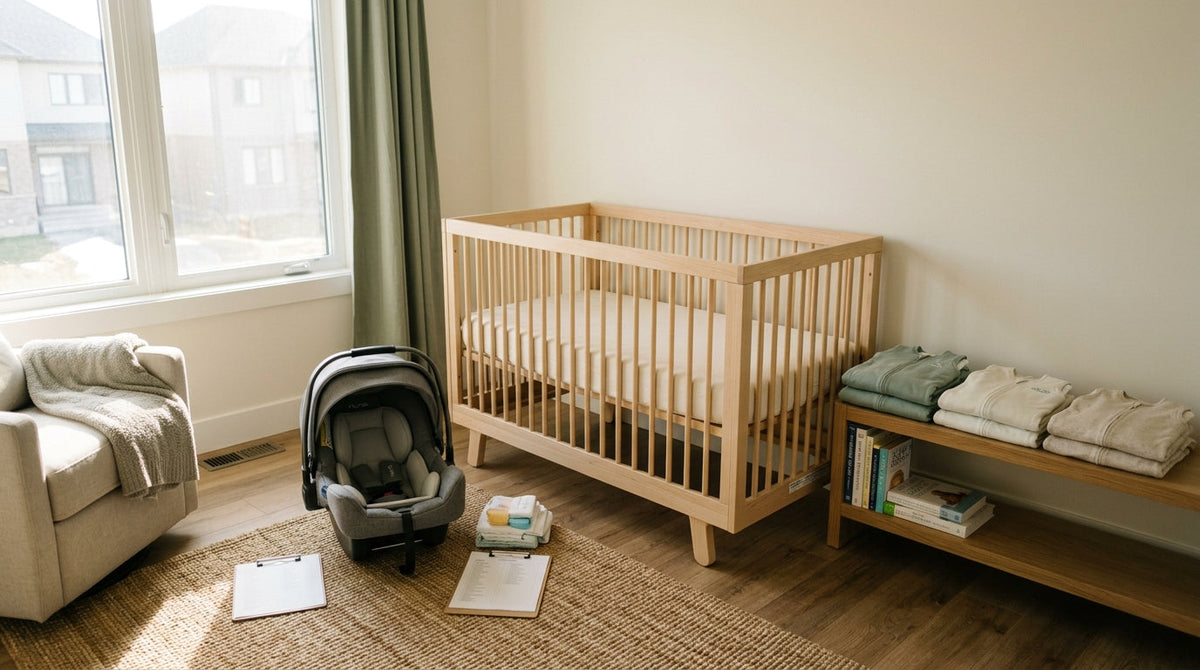
Walk through your home with your phone’s notes app open. Get down to floor level in each room. Literally sit on the floor and look around. What can your baby reach? What can they pull? What can they put in their mouth? Write it down before you buy anything.
A written list also gives you something you can hand to a trusted friend or family member. "Can you walk through the kitchen and tell me what I missed?" is a much easier ask than "can you help me babyproof?" And when you’re parenting alone, that kind of specific ask is the difference between getting help and not.
Prioritize the Rooms Where Your Baby Spends Time
You do not need to babyproof every square foot of your home this weekend. That path leads to burnout and half-finished projects, which is worse than a focused, completed job in two rooms.
Start with the bedroom, kitchen, and living room. These are where your baby sleeps, where you cook while they’re nearby, and where they spend most of their waking hours. Get those three spaces locked down before you touch the guest bathroom or the basement.
My older daughter spent the first eight months of her life in approximately four rooms. I wasted two weekends childproofing a mudroom she never entered. That time would have been better spent getting the kitchen right.
The Short List That Covers Most Injuries
Cabinet locks, outlet covers, and baby gates address a large share of common household injuries for children. The CPSC identifies poisoning, electrical shock, and falls as consistent injury categories for infants and toddlers, and these three products directly target all three.
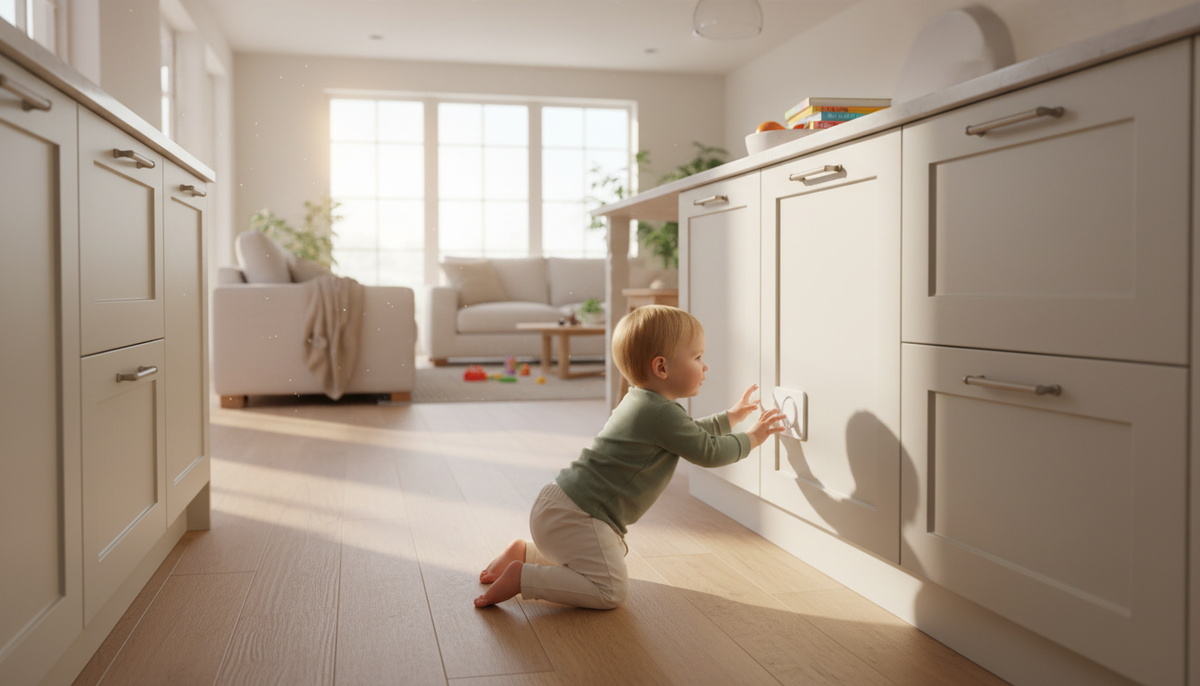
None of them require professional installation. Cabinet locks take ten minutes and a screwdriver. Outlet covers take thirty seconds per outlet. Gates are more involved, but a pressure-mounted gate in a doorway can go up in under an hour.
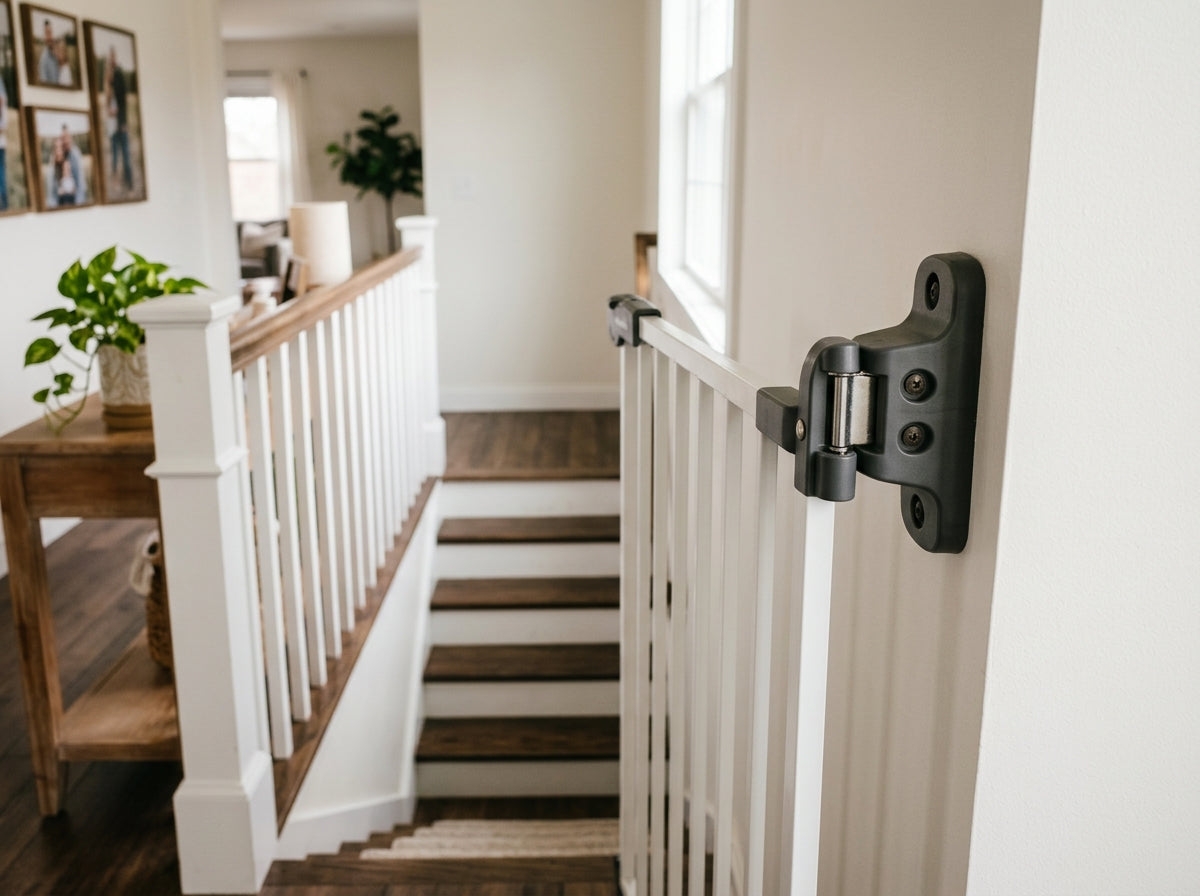
For stairs specifically, use a hardware-mounted gate at the top, not a pressure-mounted one. According to Nationwide Children’s Hospital’s analysis of CPSC NEISS data, about 93,000 children under 5 are treated in U.S. emergency rooms each year for stair-related injuries. That number is large enough to take seriously even when you’re tired and the drill is in the car.
If you’re buying a gate, look for ASTM F1004 compliance, the federal safety standard for expansion gates and expandable enclosures. It should be printed on the box.


Drowning Hazards Come Before Convenience
I know the toilet lock feels like overkill. It isn’t.
Drowning is a leading cause of unintentional injury death in young children. Bathtubs, toilets, buckets of standing water, even a dog bowl can pose a risk for a baby who can’t right themselves. When you’re the only adult in the house and the doorbell rings, the thirty seconds you’re gone is enough.
Toilet locks cost under $10. Tub spout covers are inexpensive. These are not optional line items to cut from the budget. Secure every standing water source in your home before your baby becomes mobile, and check that the bathroom door stays closed by default.
Anchor Furniture Before You Need To
Dressers, bookshelves, and televisions tip over. Children pull on drawers, climb shelves, and grab TV stands. The injuries that result are serious enough to require emergency care, and they happen faster than any parent anticipates.
Wall anchoring kits typically cost under $20 per item, and most take less than fifteen minutes to install. A single bracket into a stud, a strap, and a screw into the furniture back. That’s the whole job. If you’re not comfortable with a drill, this is a specific, easy task to ask a friend or family member to handle. "Can you come over Saturday and anchor three pieces of furniture?" is a one-hour favor that has real safety consequences.
Do the dresser in the baby’s room first. Then the bookshelf in the living room. Then the TV.
Permanent Fixes Over Temporary Ones
When you’re budgeting alone, it’s tempting to buy the cheapest version of everything. But adhesive-only cabinet locks fail. Outlet plug covers get lost or chewed. Foam corner guards fall off and become choking hazards.
Spend a little more on hardware-mounted cabinet locks and outlet covers with sliding mechanisms rather than removable plugs. These hold up over months of use and don’t need constant replacement. The math works in your favor. Two rounds of cheap adhesive locks costs more than one round of screwed-in hardware locks, and the hardware version is safer the whole time.
My younger daughter emptied the under-sink cabinet in the time it took me to answer the front door. That was an adhesive lock. I replaced every adhesive lock in the kitchen with hardware-mounted versions the same week.
Create a Safe Zone for High-Risk Moments
Cooking is the highest-risk daily activity for a parent with a mobile baby. You need both hands, you’re near heat and sharp objects, and you can’t watch the baby every second.
A gated area or a closed room with age-appropriate toys gives you a place to put your baby safely while you handle tasks that require your full attention. This is not neglect. It’s risk management. A baby who is bored in a safe space is fine. A baby who crawls toward the stove is not.
Set this up before you need it. Test it. Make sure the space has nothing in it that needs to be removed. Then use it without guilt.
Single-Parent Babyproofing Checklist
Cords Are Quick and Free to Fix
Window blind cords and drapery cords are strangulation hazards for infants. This is a fast, low-cost fix that should happen before your baby can roll or scoot.
Tie cords up high and out of reach, use a cord wind-up device, or replace corded blinds with cordless versions. Cordless blinds are widely available at hardware stores and often cost the same as corded ones. If you’re renting and can’t replace the blinds, secure the cords to the wall bracket with a cleat hook. This takes five minutes and costs under $5.
Do this room by room on your checklist walkthrough. Mark it done. Move on.
Keep Poison Control Visible and Programmed
The Poison Control hotline is 1-800-222-1222. Program it into your phone right now. Also write it on a piece of paper and tape it inside a kitchen cabinet.
Single parents benefit from knowing exactly who to call without searching during a crisis. In a real emergency, you will not remember a number. You will not have time to Google it. Post it where you’ll see it, and make sure any caregiver who watches your baby knows where it is.
Safety Is a Moving Target
A newborn and a seven-month-old who can pull to stand live in two different homes, even if the address is the same. Hazards that were irrelevant last month become urgent this month.
Build a monthly review into your routine. It doesn’t need to be long. Walk through the main rooms, check that locks are still functional, look at what your baby can now reach that they couldn’t before, and update your list. As your baby rolls, then crawls, then stands, then climbs, the hazards shift. Your safety system needs to shift with them.
A running list of noticed hazards, addressed in batches on a set day each week, is more sustainable than trying to fix everything immediately. Notice the sharp corner on Tuesday. Fix it Saturday. That cadence works for one person managing everything alone.