
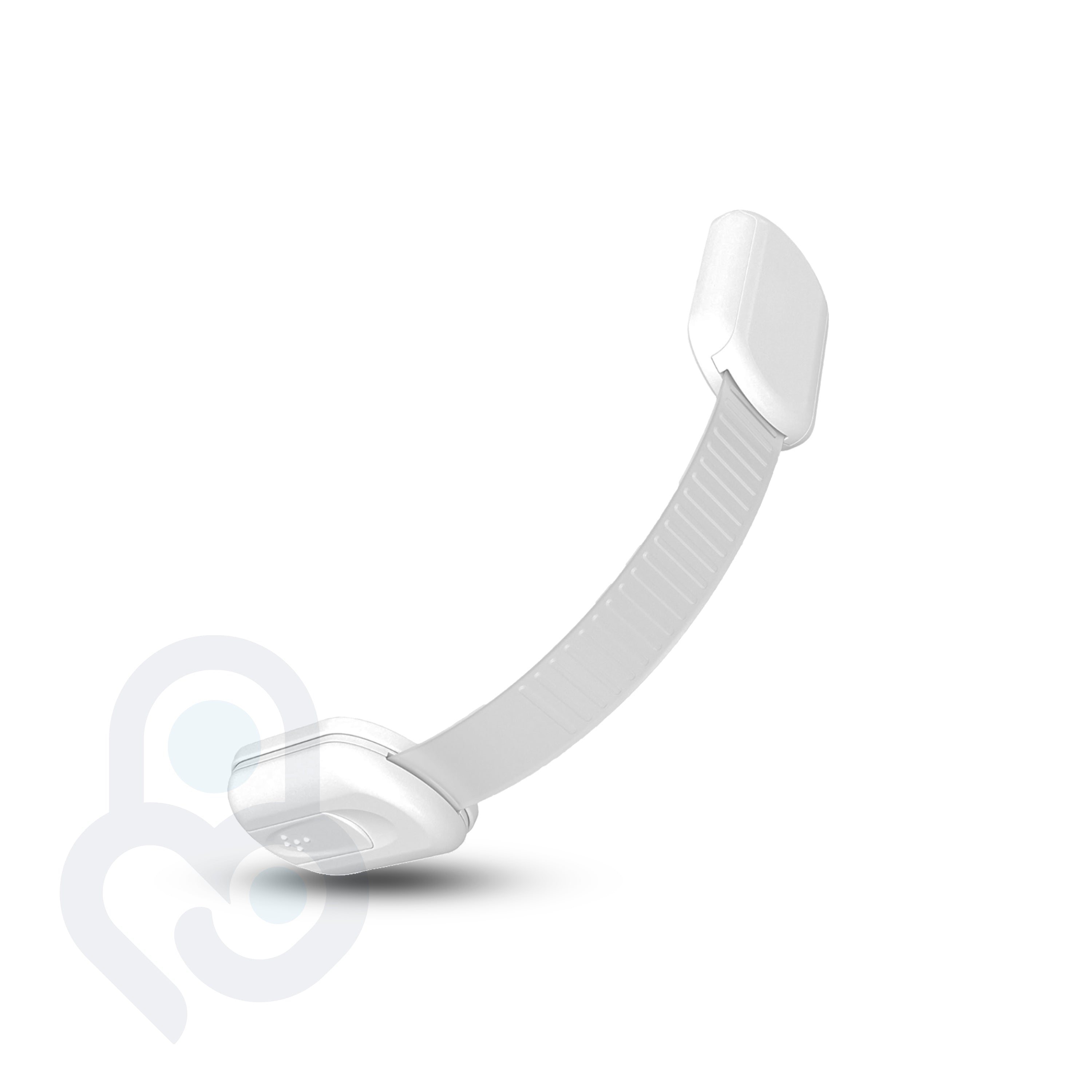
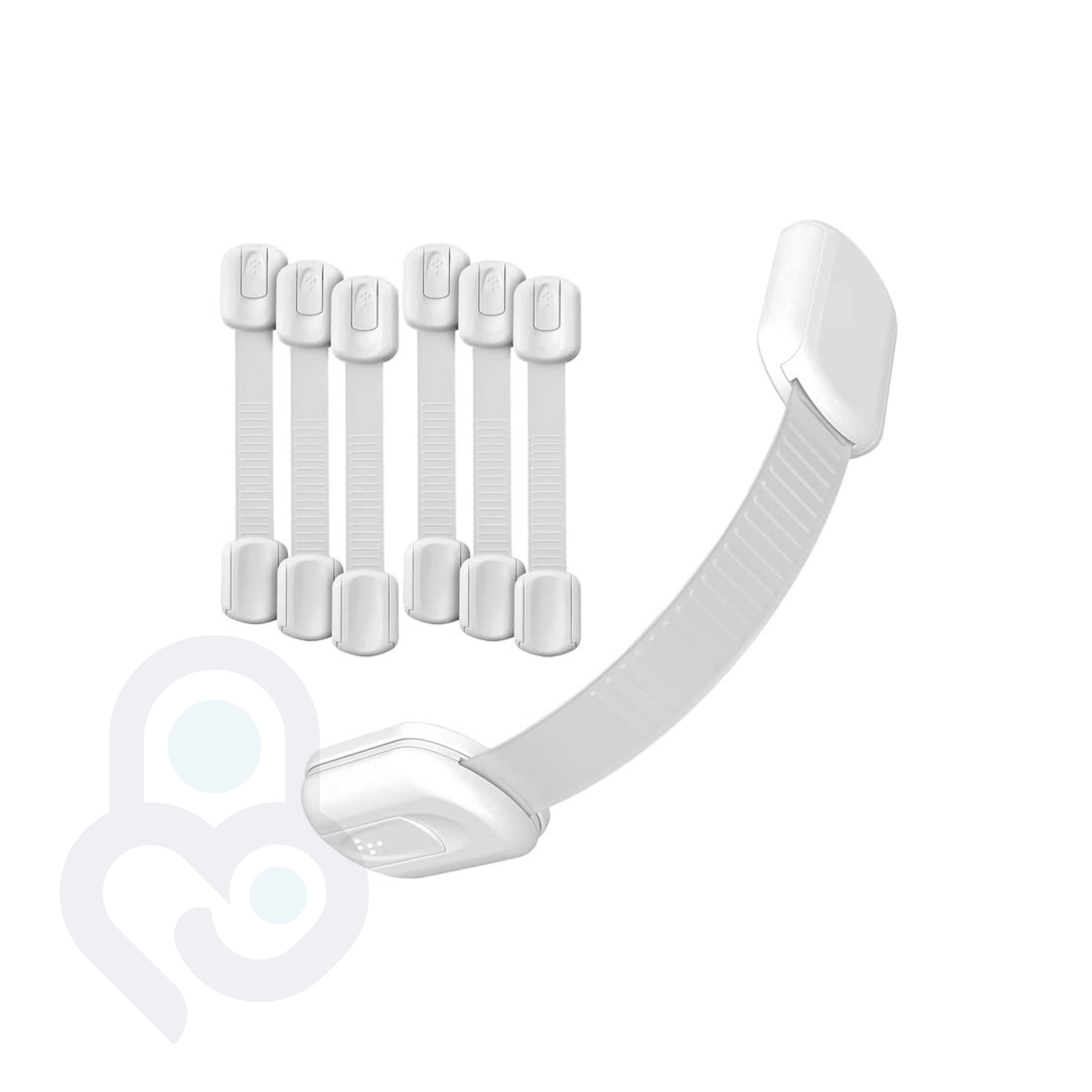
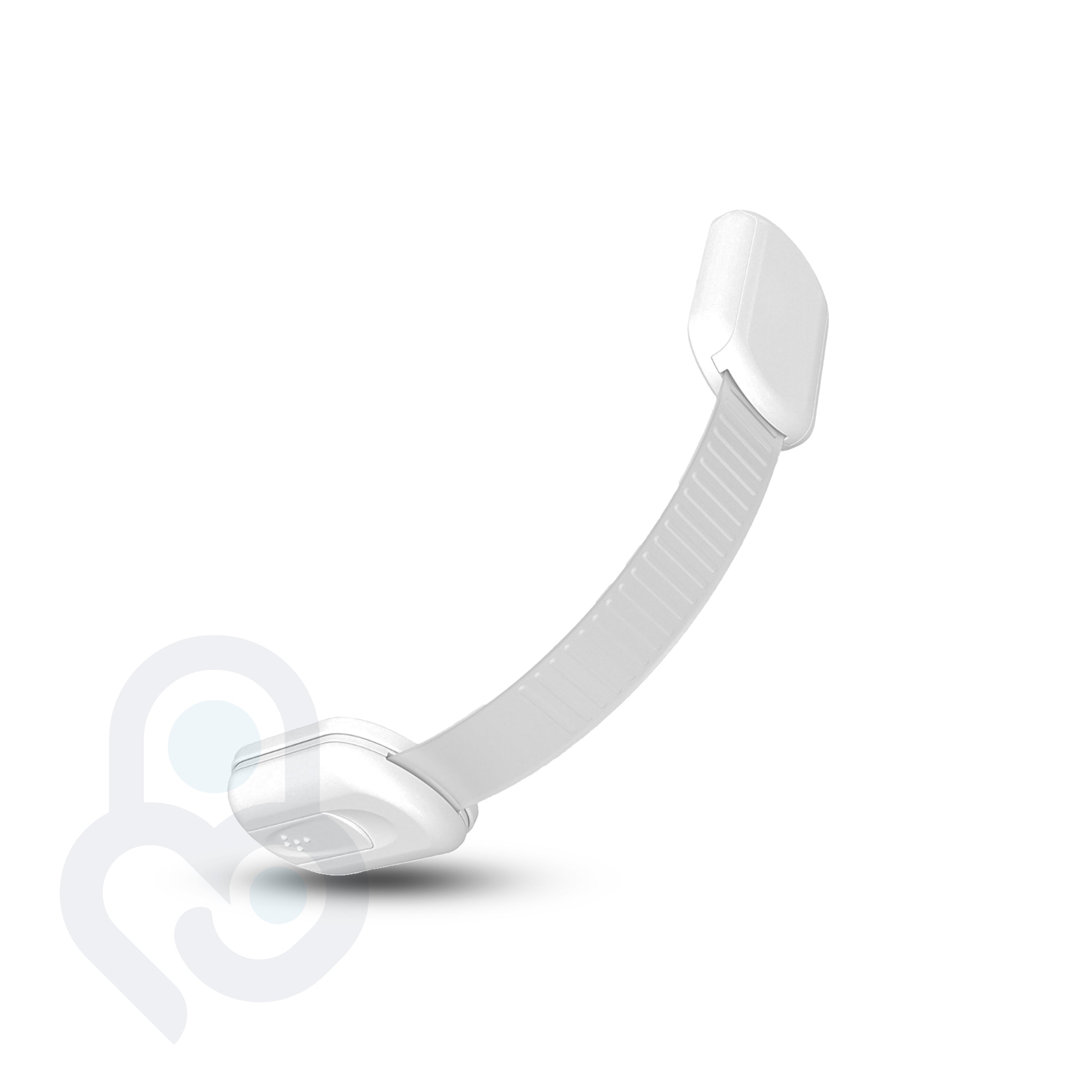
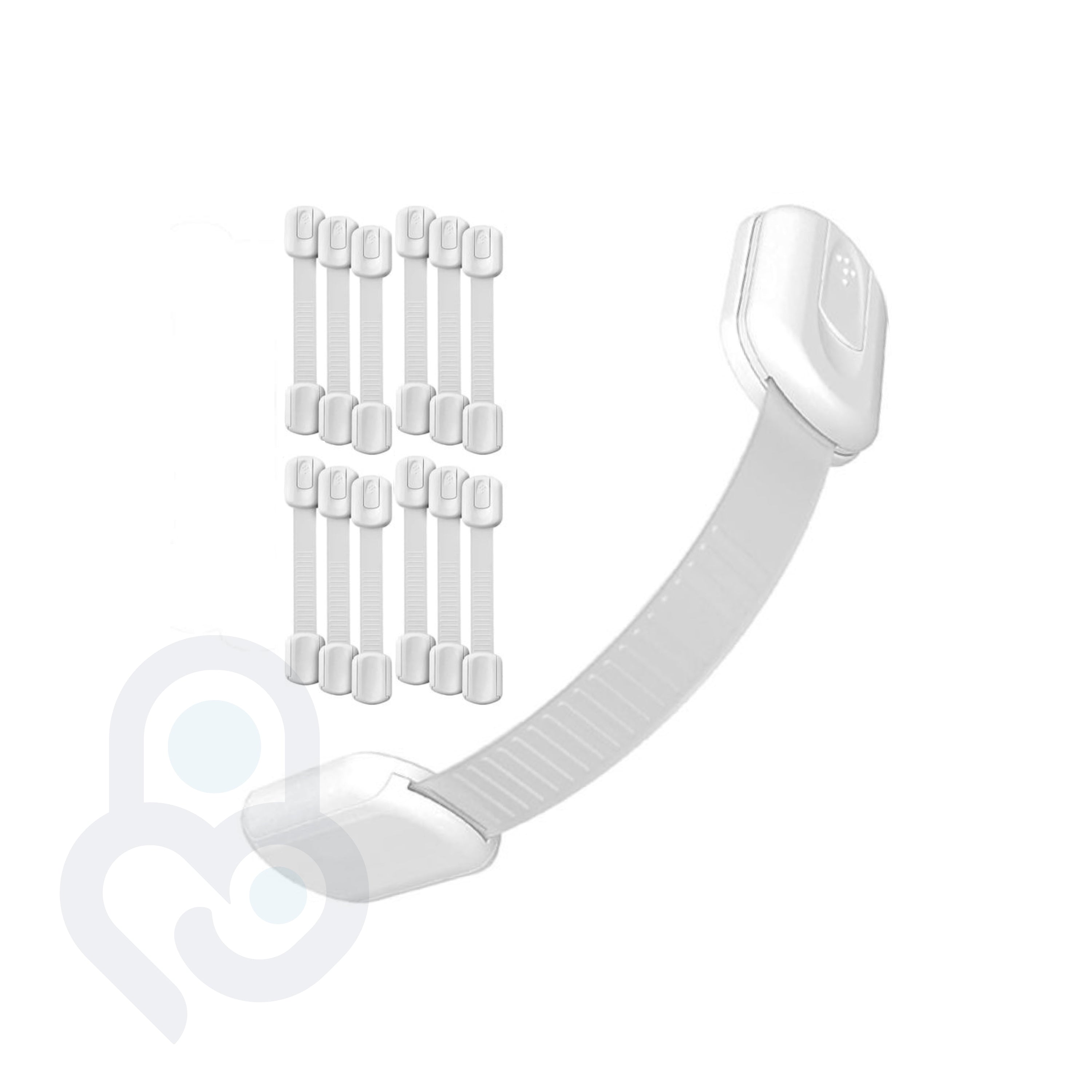


Adjustable Black Safety Strap Lock
Read About Cabinet Locks
Cabinet Locks and Cabinet Safety Overview
Cabinet locks are used to keep cabinet doors securely closed and limit access to items that may pose safety risks. They play a central role in baby proofing cabinets and creating safer kitchens, bathrooms, and storage areas. With the right cabinet safety locks, households can reduce accidents while maintaining normal adult access.
Types of Cabinet Locks for Child Safety
Cabinet locks for child safety come in multiple styles, each designed to suit different cabinet designs, usage patterns, and levels of security.
Magnetic Cabinet Locks
Magnetic cabinet locks use an internal latch that opens only with a magnetic key. The mechanism is hidden inside the cabinet, keeping the exterior appearance unchanged.
- Best for: clean appearance and strong child resistance
- Advantages: hidden hardware and reliable locking
- Considerations: requires careful alignment
Adhesive Locks and Safety Latches
Adhesive cabinet safety locks and latches attach without drilling. These are commonly used for quick installation and temporary cabinet babyproofing.
Cabinet Straps and Multi Door Locks
Cabinet straps connect two doors or a door and frame, preventing cabinets from opening wide. They are often used on cabinets with double doors or unusual shapes.
Why Baby Proofing Cabinets Is Important
Infant and Toddler Risks
Infants and toddlers are naturally curious and often explore cabinets at floor level. Unsecured cabinets can expose them to harmful substances or heavy items.
Common Household Hazards
- Cleaning products and chemicals
- Sharp tools and utensils
- Small objects that present choking risks
How to Childproof Cabinets Effectively
Cabinet Types and Locations
Kitchen cabinets, bathroom cabinets, and low storage cabinets are common priorities for childproofing due to frequent access and hazardous contents.
Choosing the Right Cabinet Lock
The right cabinet lock depends on cabinet construction, frequency of use, and the level of safety required. Some cabinets benefit from stronger locks, while others need flexible solutions.
Temporary Versus Long Term Solutions
- Temporary locks: suitable for early childproofing stages
- Long term locks: better for ongoing household safety
Effective cabinet babyproofing combines the right lock type with consistent use and regular safety checks.
Installation, Use, and Maintenance
Surface Preparation
Clean cabinet surfaces thoroughly before installing any lock. Removing grease and residue improves adhesion and ensures secure attachment.
Testing and Adjustment
After installation, test each cabinet to confirm smooth adult access and reliable locking.
Ongoing Care
Periodically inspect cabinet locks for loosening or misalignment, especially in high use areas like kitchens.
Practical Guidance for Cabinet Safety
Cabinet locks provide a simple and effective way to improve household safety. By understanding different cabinet lock types, selecting solutions that fit cabinet design, and maintaining them over time, families can successfully baby proof cabinets while preserving everyday convenience.
Frequently Asked Questions About Cabinet Locks
Do cabinet safety locks really keep children out?
Yes. When installed correctly, cabinet locks significantly reduce a child’s ability to open cabinets.
Which cabinets should be baby proofed first?
Cabinets that store hazardous items or are located at floor level should be secured first.
Are cabinet straps as effective as locks?
Cabinet straps are effective for certain cabinet styles, especially double door cabinets, when properly installed.
Can cabinet locks be installed without drilling?
Many cabinet locks use adhesive or strap based designs that do not require drilling.
How often should cabinet locks be checked?
Cabinet locks should be inspected regularly to ensure proper alignment and continued effectiveness.
Best Sellers
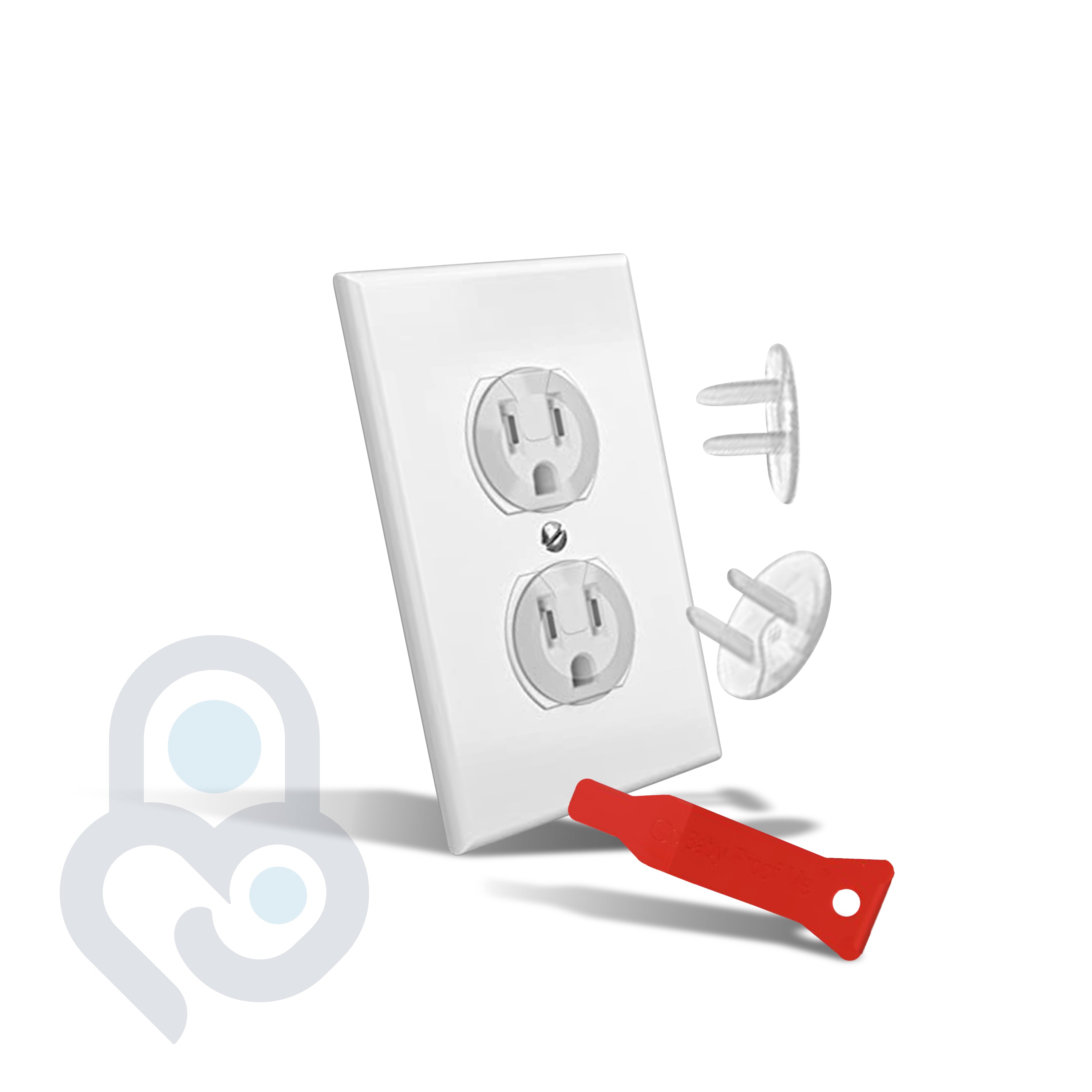
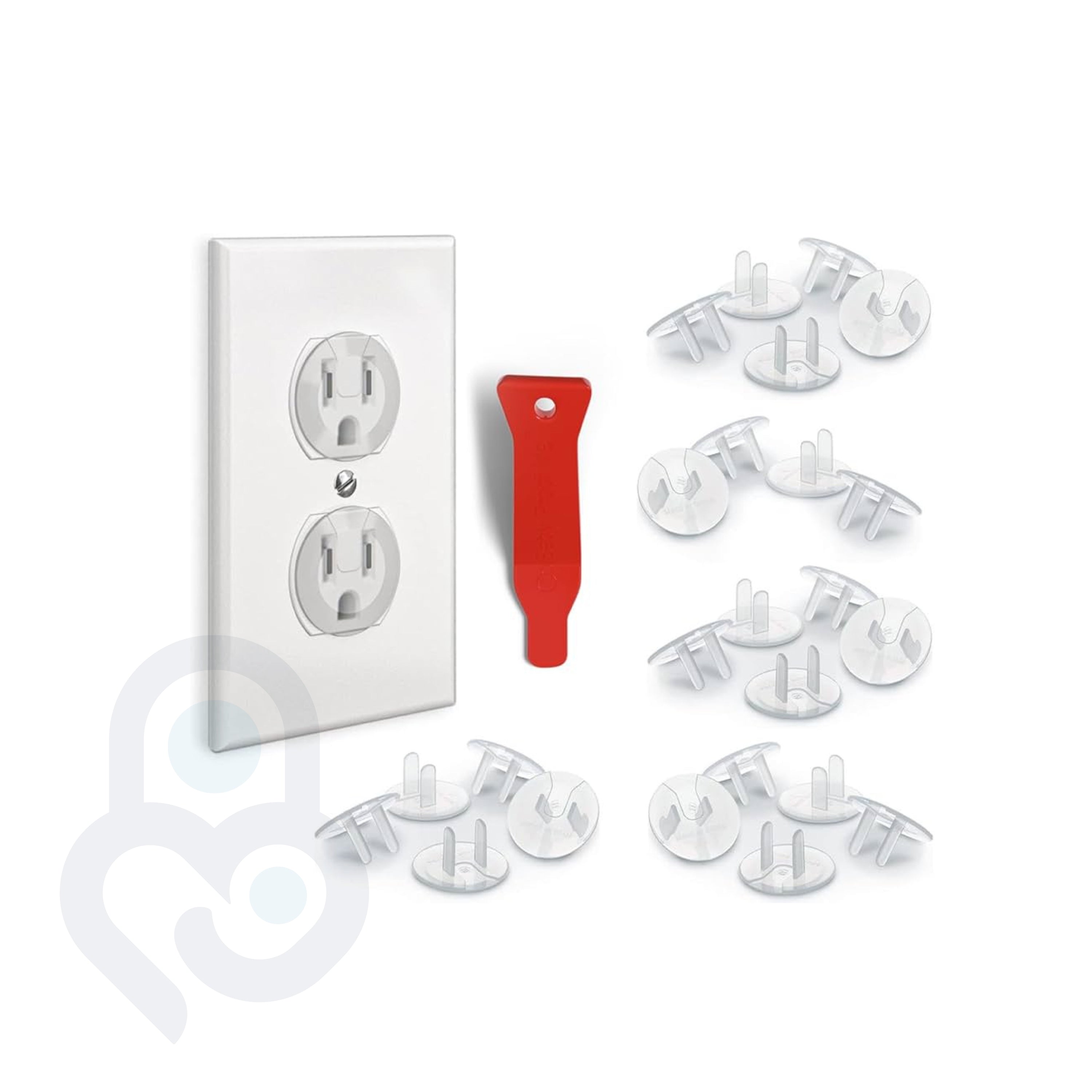
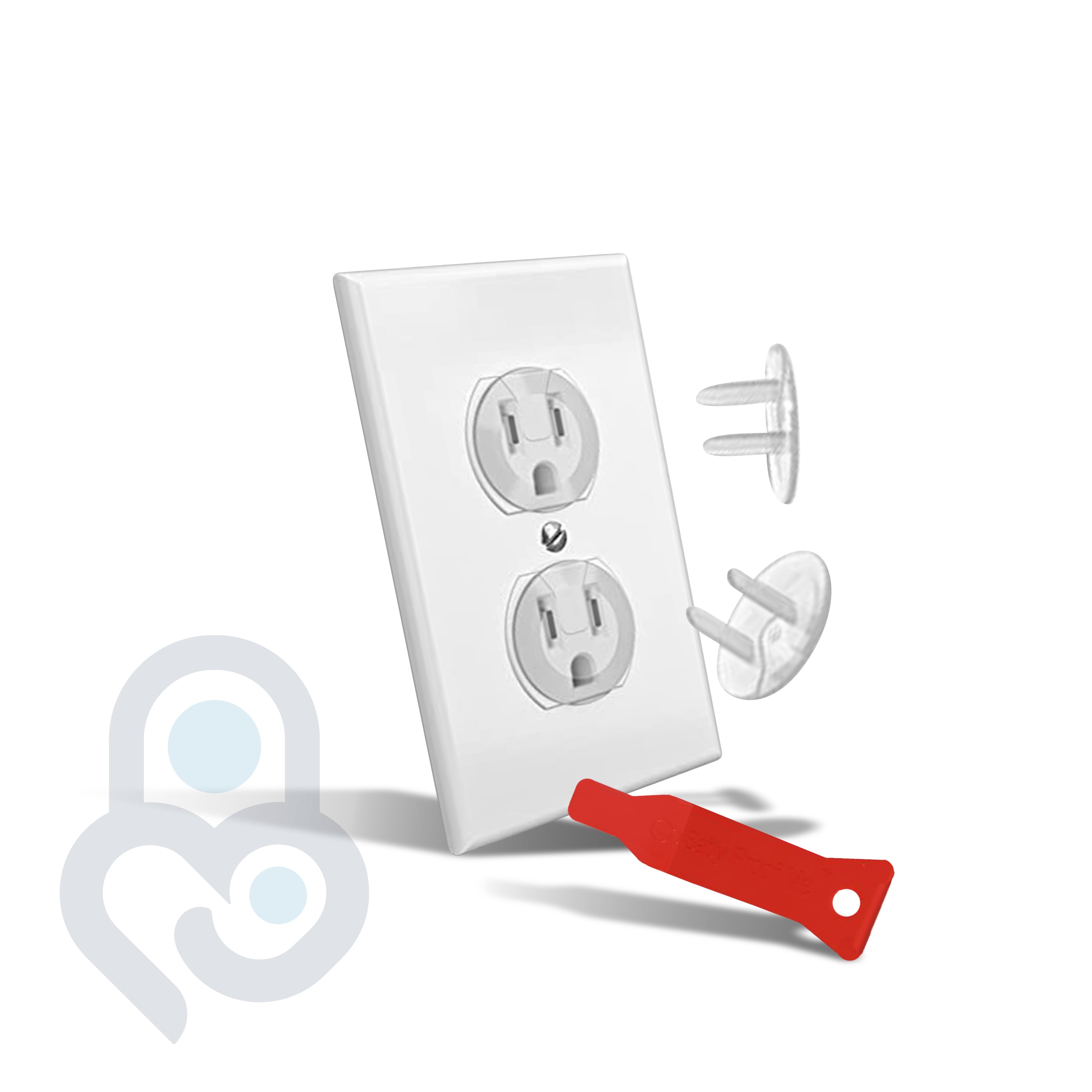
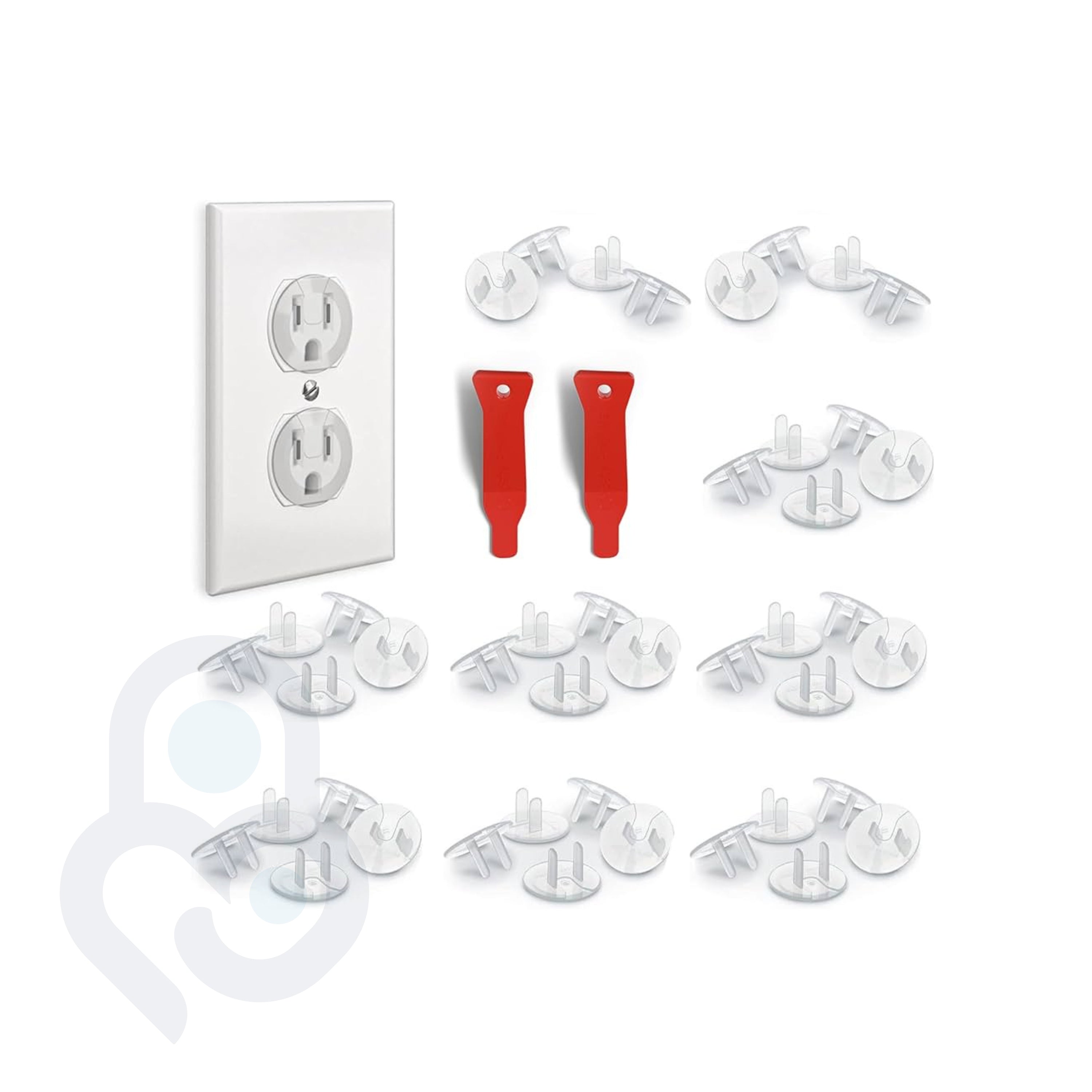
Protector de Enchufes eléctricos