


Baby Proof Me | Adjustable Black Safety Strap Lock
Read About Cupboard Locks
Kitchen Cupboard Locks and Cupboard Door Safety
Kitchen cupboard locks are designed to keep cupboard doors securely closed while limiting access to items that may pose safety risks. They are commonly used to childproof kitchens, protect hazardous contents, and maintain order in busy households. With many lock styles available, cupboards can be secured without sacrificing everyday convenience.
Types of Cupboard Locks and Safety Latches
Cupboard door locks come in several forms, each suited to different cupboard designs, safety needs, and installation preferences.
Magnetic Cupboard Locks
Magnetic cupboard locks use an internal latch that opens only when a magnetic key is placed on the outside of the door. The locking mechanism remains hidden inside the cupboard.
- Best for: child safety and clean cupboard appearance
- Advantages: hidden hardware and reliable locking
- Considerations: requires accurate alignment during installation
Adhesive Locks and Cupboard Safety Latches
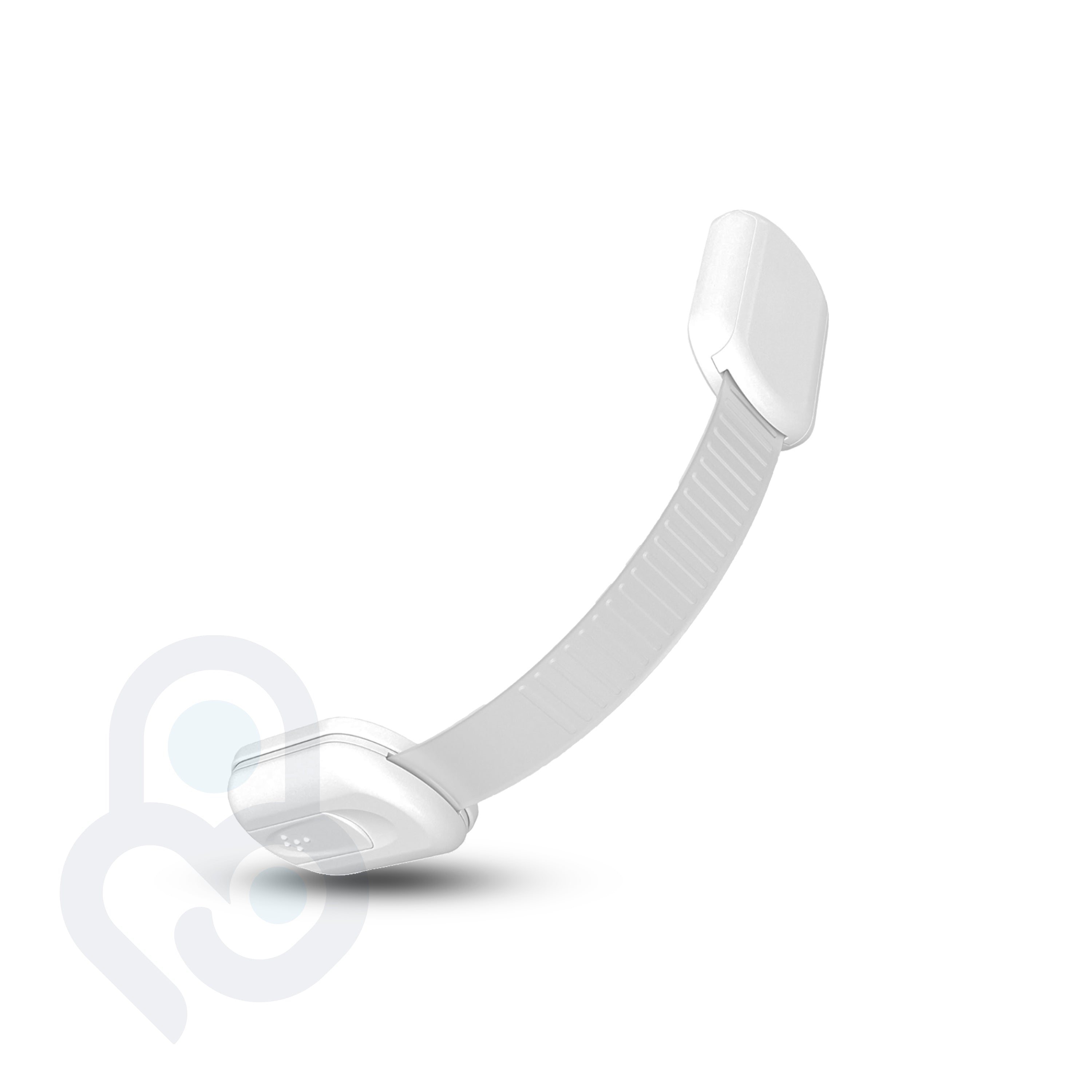
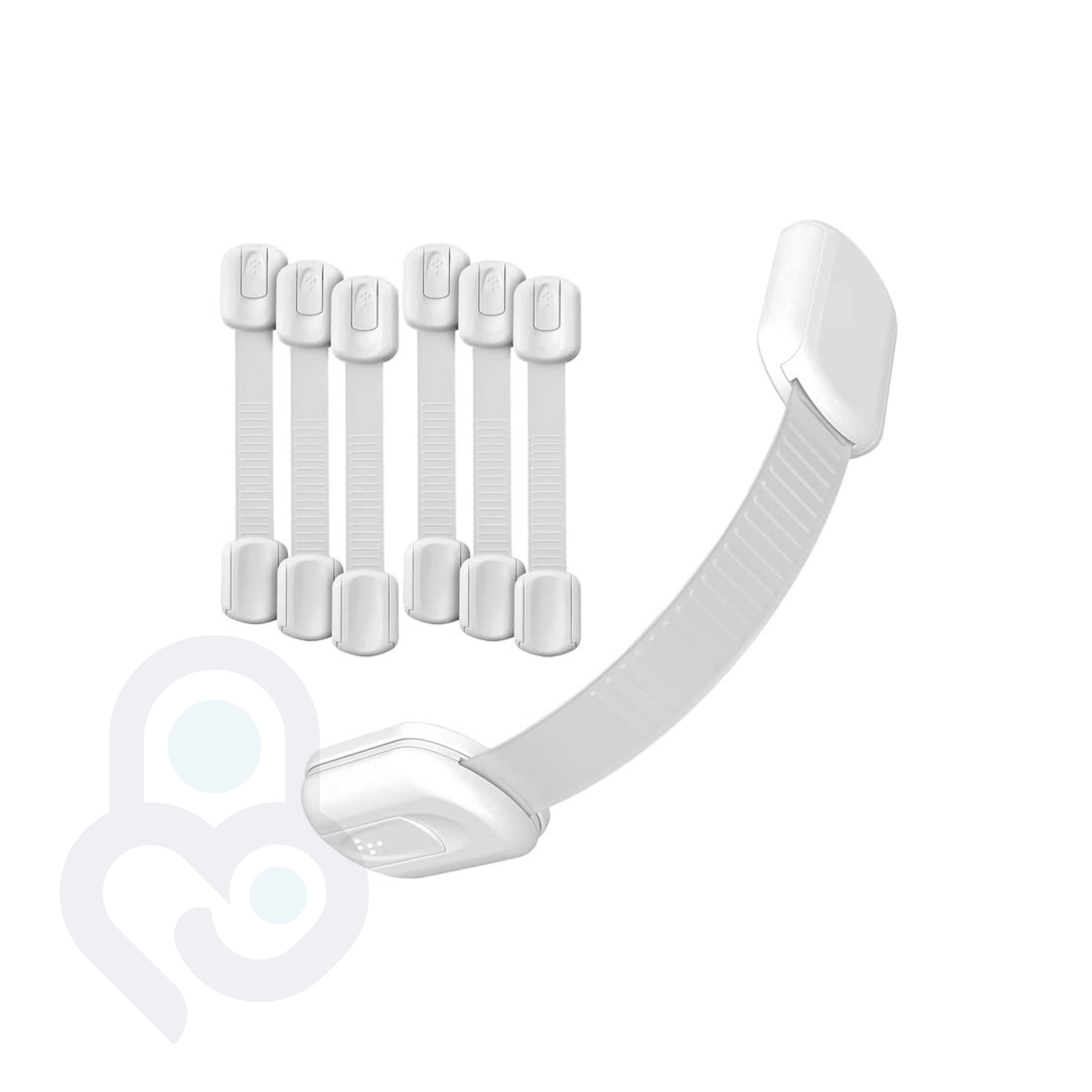
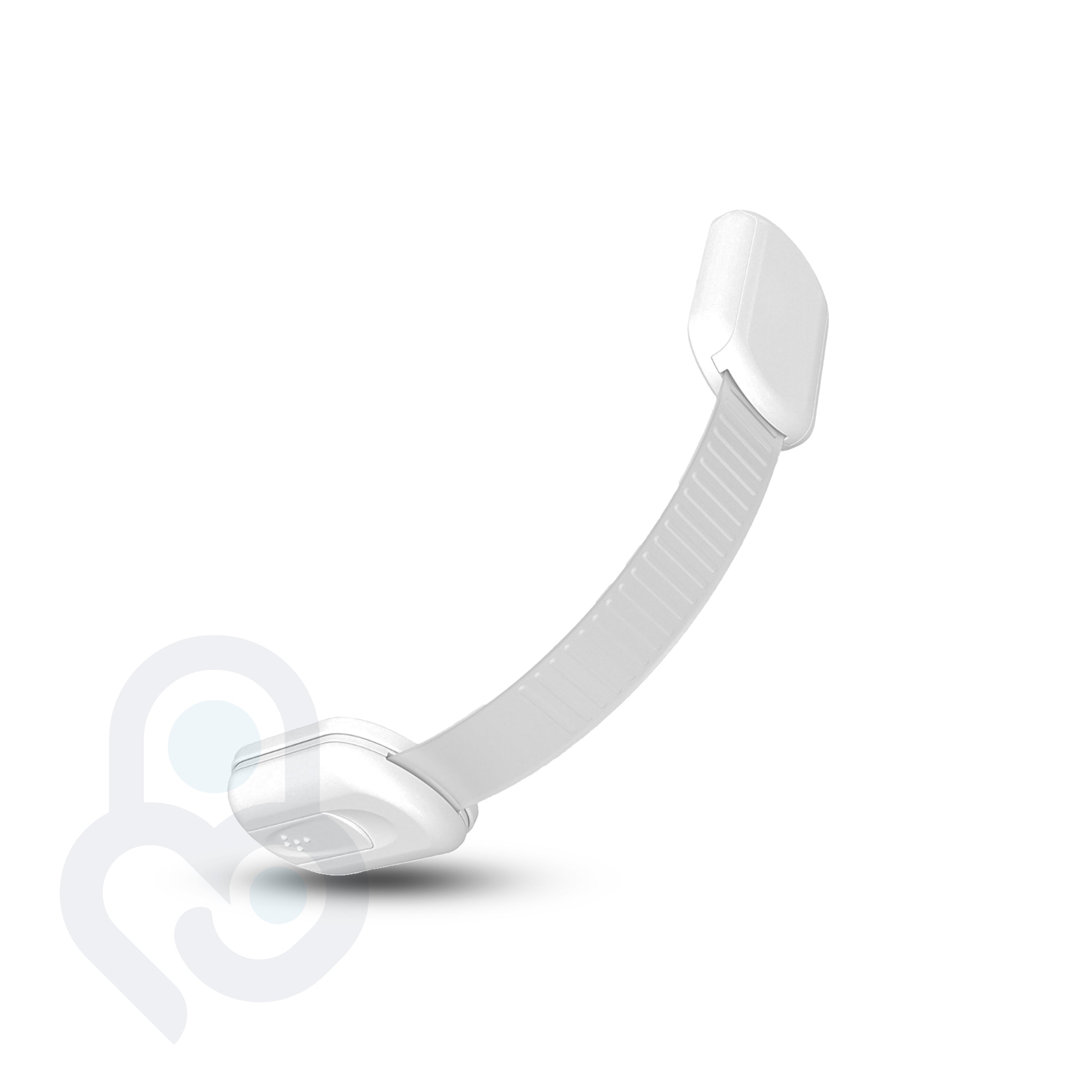
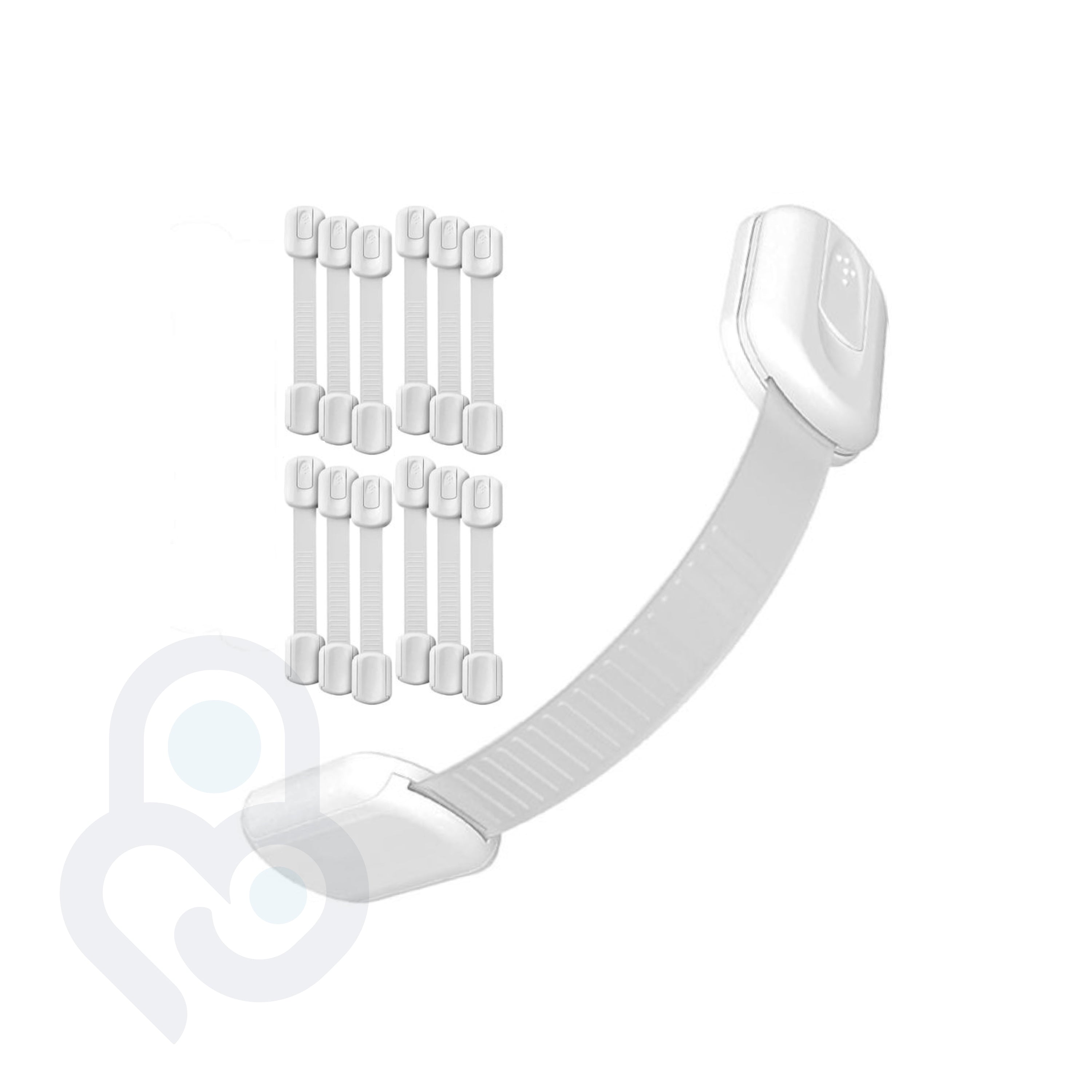
Adhesive cupboard safety latches attach without drilling and are often used for quick or temporary cupboard safety.
Mechanical Cupboard Safety Catches
Mechanical cupboard safety catches use physical hooks, clips, or sliding mechanisms to keep doors closed. These are often chosen for durability and long term use.
Why Locking Kitchen Cupboards Matters
Child Safety and Access Risks
Kitchen cupboards often store cleaning supplies, sharp tools, and small objects. Unlocked cupboard doors make it easy for children to access items that may cause injury.
Protecting Cupboard Contents
- Prevents access to hazardous household products
- Reduces spills and broken items
- Helps keep cupboards organized
How to Lock Kitchen Cupboards Effectively
Cupboard Door Types and Compatibility
Cupboards may have single doors, double doors, or sliding doors. The lock must be compatible with the door style and frame design.
Choosing the Right Cupboard Lock
The best cupboard lock balances safety with ease of adult use. Some locks are better suited for frequent access, while others focus on maximum security.
Temporary Versus Permanent Solutions
- Temporary locks: suitable for early childproofing stages
- Permanent locks: ideal for long term safety needs
Effective cupboard safety depends on choosing locks that match cupboard design and using them consistently throughout daily routines.
Installation, Use, and Maintenance
Surface Preparation
Clean cupboard doors and frames thoroughly before installation. Removing grease and residue improves adhesion and lock performance.
Proper Alignment and Testing
Locks should be aligned carefully so doors close smoothly and release properly when opened by adults.
Ongoing Maintenance
Periodically check cupboard locks for wear or misalignment, especially in frequently used kitchen areas.
Key Takeaways for Kitchen Cupboard Safety
Kitchen cupboard locks provide an effective way to improve household safety and protect cupboard contents. By understanding different lock types, choosing options that suit cupboard design, and maintaining proper installation, households can create a safer and more organized kitchen environment.
Frequently Asked Questions About Kitchen Cupboard Locks
Do cupboard safety locks really keep children out?
Yes. When installed correctly, cupboard locks significantly reduce a child’s ability to open cupboard doors.
Are magnetic cupboard locks better than latches?
Magnetic locks offer a hidden appearance, while latches may be easier to install. Both can be effective when used properly.
Can cupboard locks be used on kitchen cupboards?
Cupboard locks are commonly used in kitchens to restrict access to cleaning supplies and cookware.
Will adhesive cupboard locks damage cupboard surfaces?
Many adhesive locks are designed to be removable, but testing in a small area is recommended.
How many cupboard locks are needed in a kitchen?
The number depends on cupboard layout and contents, but any cupboard storing hazardous items should be secured.