
Toddler Eating Dirt, Rocks or Mulch: Normal Phase or Pica?
What MedlinePlus, the AAP, the CDC and the EPA say about toddlers eating dirt, how soil and lead connect, and when to call your pediatrician.

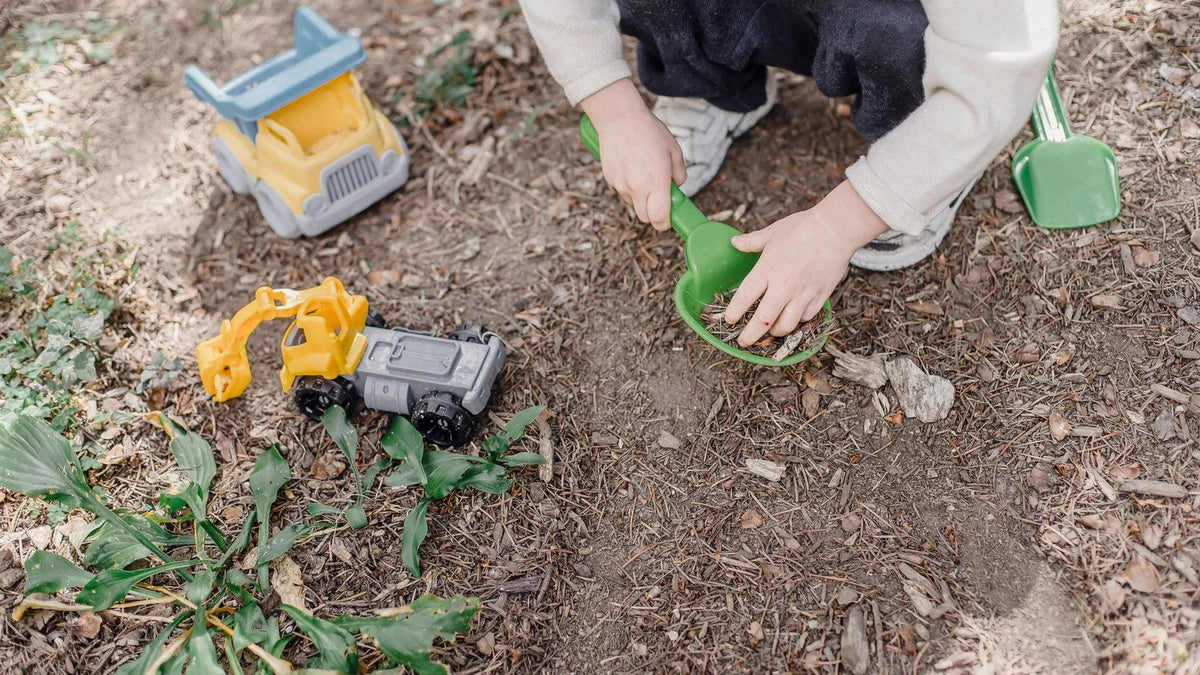
Few sights stop a parent mid-sentence like a toddler eating dirt from the edge of a flowerbed. Rocks and mulch can go the same way. Whether one child’s habit is a passing stage or pica is not a call a parent or an article can make. MedlinePlus (NIH, National Library of Medicine) defines pica as a pattern of eating non-food materials, and it says pica is seen more in young children than in adults. Its advice is to contact your provider if you notice your child is eating non-food materials.
Pica in Toddlers: What MedlinePlus Says
MedlinePlus defines pica as a pattern of eating non-food materials, such as dirt or paper. It lists dirt, sand, clay, ice and paint among the things children and adults with pica may eat. Dirt and rocks are both non-food materials.
MedlinePlus also says pica is seen more in young children than in adults. It does not say anything about your child in particular.
MedlinePlus says the eating pattern must last at least 1 month to fit the diagnosis of pica. It also says there is no single test for it. Whether a child has pica is a question for the child’s health care provider.
Picture this: you glance over from the patio table and your toddler has a fistful of soil halfway to their mouth. One scene like that does not tell you what is going on. The pattern, how long it lasts and what else is happening are what a pediatrician looks at.
Toddler Eating Dirt and Rocks: Lead and Soil Exposure
Dirt can carry lead. The CDC says many children ingest lead dust by putting objects such as toys and dirt in their mouths. It adds that children younger than 6 years are more likely to be exposed because of their hand-to-mouth behavior.
The CDC lists chipping or peeling paint in homes or buildings built before 1978 among the sources of lead exposure. It also lists soil near airports, highways or factories.
The EPA says yards and playgrounds can become contaminated when exterior lead-based paint from houses or older playground equipment gets into the soil. It also says lead in soil can be tracked into homes on shoes, clothes or other objects. The AAP (HealthyChildren.org) says children have the most risk factors for lead because they often put their hands and objects into their mouths. It says not to allow your child to play in the dirt next to your old home.
Garden beds are soil too, and garden plants, tools and soil raise their own questions worth reading about.


Tests Belong to the Pediatrician
MedlinePlus says a lack of certain nutrients, such as iron and zinc, may trigger unusual cravings in some cases. It says a provider may test blood levels of iron and zinc, or test for anemia. Those are the provider’s decisions.
MedlinePlus says lead levels should always be checked in children who may have eaten paint or objects covered in lead paint dust. Again, the provider decides which tests happen and when.
The CDC says a blood lead test is the best way to find out whether a child has been exposed to lead. It also says no safe blood lead level in children has been identified. Its advice is to talk to your child’s health care provider about getting a blood lead test.
You do not need to work out whether your child is low on iron or has been exposed to lead. You need to bring the observation to someone who can order the right tests.
What MedlinePlus Says About How Long Pica Lasts
Parents often want to know how this ends. MedlinePlus gives three lines on the outlook, and they belong together. It says treatment success varies. It says that in many cases pica lasts several months and then disappears on its own. It also says that in some cases pica may continue into the teen years or adulthood, especially when it occurs with developmental disorders.
Read as a set, those lines describe a range of outcomes. They are not a forecast for one child. A parent who only hears the middle line may wait too long, and a parent who only hears the last line may panic.
That is another reason the pediatrician belongs in the conversation. A provider can place your child’s habits in context, including development and health history, in a way no general description can.
The EPA’s Outdoor Routine: Watch, Wash, Wipe
The EPA’s advice for outdoor play is plain. It says to prevent children from playing in bare soil and in soil next to older buildings constructed before 1978. It also says to watch children carefully to prevent them from eating soil or putting their hands in their mouths. For soil in indoor pots, see how to baby proof houseplants.
Picture this: an afternoon at the park or in your own backyard, with your toddler crouched near the base of a fence. Watching their hands and mouth is the EPA’s advice. Reviewing yard and patio safety can help you plan the rest of the outdoor space.
The EPA’s clean-up steps are short:
- The EPA says to wash hands and other exposed skin with clean water or wipes after contact with soil, especially before meals.
- The EPA says to wash toys, pacifiers and bottles with clean water or wipes if they touch soil.
Watching and washing lower exposure. They do not replace a conversation with your pediatrician, and they cannot undo a habit that has already formed.
Keeping Soil Out of the House
Soil does not stay outdoors. The EPA suggests placing doormats outside and inside all entryways, and removing shoes before entering, to keep soil out of the house. That one habit connects to baby-proofing your house room by room, since the floor is where a toddler spends much of the day.
Small objects of every kind end up in a toddler’s mouth, and choking hazards around the home call for a separate walk-through.
Indoor soil also shows up in potting mix, so toxic and safe houseplants are worth checking too.
Rocks and mulch outdoors are non-food items as well. If your child is eating them, the same advice applies: tell the pediatrician.
When to Call Your Pediatrician
MedlinePlus’s line is direct: contact your provider if you notice your child is eating non-food materials. That covers dirt, rocks, mulch, paint chips and anything else that is not food. You do not need a pattern, a diagnosis or proof before you call.
The AAP says that if you think your child has been exposed to lead, talk with your pediatrician about getting a blood test to check for lead. The CDC likewise says to talk to your child’s health care provider about getting a blood lead test.
Call your pediatrician about what your child has been eating. MedlinePlus ties the diagnosis of pica to at least 1 month, and the pediatrician makes that decision, along with what comes next. HealthyChildren.org is the AAP’s site for general reading while you wait for the appointment.
If Your Toddler Swallows a Non-Food Item
A swallowed non-food item is a different situation from a long-running habit. The National Capital Poison Center (poison.org) says to call a poison center at 1-800-222-1222 for a possible poisoning. America’s Poison Centers lists the same Poison Help number.
So for a swallowed non-food item, call Poison Help at 1-800-222-1222 (America’s Poison Centers). The National Capital Poison Center says to call 911 now if the person collapses, has a seizure, has trouble breathing or can’t be awakened.
Save the number in your phone before you need it.
The Short Version
A toddler eating dirt, rocks or mulch is a reason to phone the pediatrician. It is not a reason to diagnose anything yourself. MedlinePlus says to contact your provider if you notice your child eating non-food materials. The AAP and the CDC say to ask your pediatrician about a blood lead test if lead is a concern.
Until that conversation, follow the EPA’s routine: watch your child outdoors, wash hands before meals, wash toys that touched soil, and put doormats at every entry. Keep Poison Help at 1-800-222-1222 in your phone, and call 911 if a child collapses, has a seizure, has trouble breathing or can’t be awakened.