

Every year, products you bought in good faith end up on a recall list. The question is whether you find out before something goes wrong.
The CPSC issues recalls on baby and toddler products throughout the year, and 2026 is no different. Some are minor. Some involve products that have already hurt children. The gap between "this was recalled" and "I knew about it" is where the real danger lives, and closing that gap is a skill worth building now.
Why Recalls Happen, and Why They Matter More Than You Think
A recall doesn’t mean a product was obviously defective when you bought it. It often means a failure pattern emerged over thousands of real-world uses, in real homes, with real kids. A lock that held in a lab might fail when a determined 18-month-old works at it for six minutes straight.
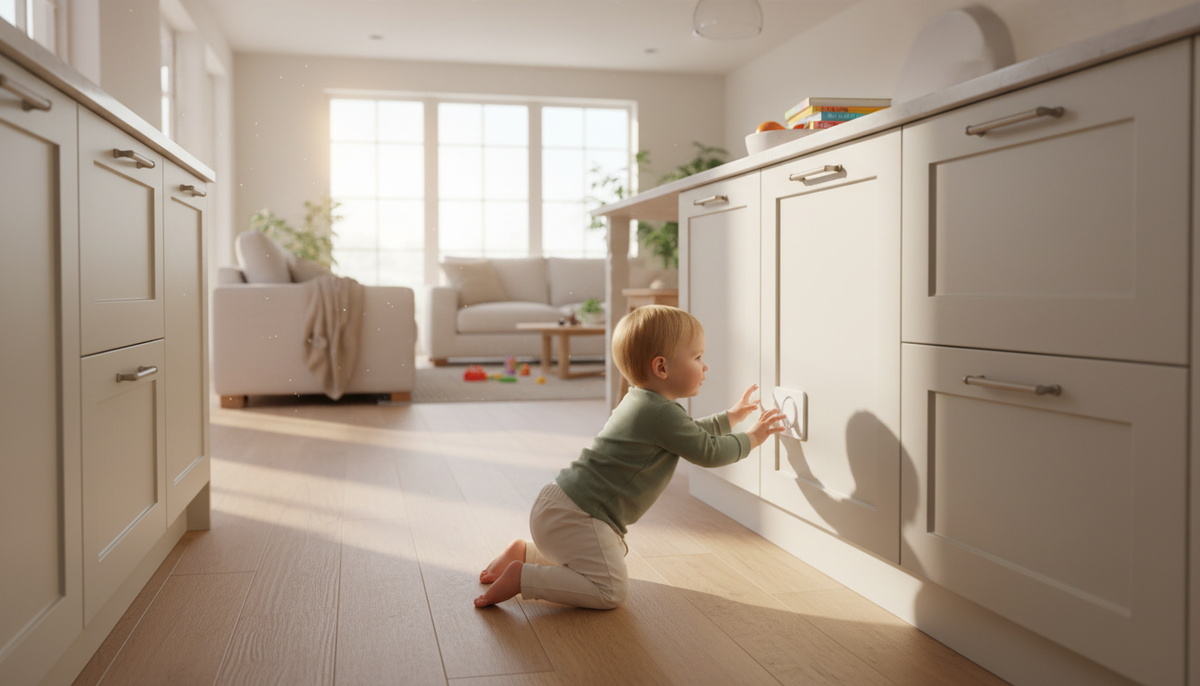
A CPSC recall pulled 900,000 Safety 1st Push 'N Snap cabinet locks after reports of children as young as 9 months opening them. Three children reached toxic cleaning products before the recall was even announced. Those parents weren’t negligent. They had a product that passed testing and then failed in practice, and they had no idea.
The other thing worth understanding: manufacturers issue many recalls voluntarily, in cooperation with the CPSC, which means the agency doesn’t always have to force the issue. That’s good for speed. But it also means the recall announcement depends on the company’s own incident tracking, which depends on parents reporting problems. If nobody reports, the pattern stays invisible.
How to Check the CPSC Recall Database
The most direct tool is the CPSC’s own recall database at recalls.gov. It’s free, searchable, and updated continuously. Here’s how to use it efficiently.
Go to recalls.gov and filter by "Products" then "Children’s Products." You can also search by brand name, product type, or even a partial model number. If you still have the original packaging, the model number is usually on a sticker near the UPC. For car seats and strollers, it’s often molded into the plastic frame.
A few things to check while you’re there:
- Date range. Filter for the current year, but also run a search for the past 24 months. Recalls on products you bought two years ago are still relevant if the product is still in your home.
- Remedy type. Some recalls offer a full refund. Others send a repair kit. Some just ask you to stop using the product immediately. The remedy affects how urgent your response needs to be.
- Incident details. The recall notice will describe what went wrong and in what age range. That context helps you assess whether your child is still at risk.
This check takes about ten minutes and can be done every three months during a seasonal safety walk-through.


Register Your Products the Day You Bring Them Home
This is the single most underused safety habit I know. Every major baby product, from bouncers to high chairs to baby monitors, should be registered with the manufacturer on the day you buy it or receive it as a gift.
When a recall is issued, the manufacturer notifies registered owners directly. That’s an email or letter with your name on it, not a news story you might miss. When a component issue comes up on a product line, registered owners receive a recall notice directly before the information spreads through other channels.
Registration cards are sometimes included in the box. More often, there’s a QR code or a URL on the packaging. If neither is present, search "[brand name] product registration" and you’ll find it in under a minute. Keep a simple note, a spreadsheet, a note on your phone, of every product you’ve registered. When you no longer use a product, update or cancel the registration so your records stay clean.
For secondhand items, this matters even more. If you bought a used baby gate at a consignment sale, the original owner’s registration won’t protect you. Re-register it yourself.
-
Stop use immediately
Move the product somewhere your child cannot reach it. Do not wait for a replacement to arrive. -
Read the full recall notice
Find it on recalls.gov. Note the remedy type and the manufacturer’s dedicated recall contact. -
Document your product
Photograph the item, model number, and date code. Some recalls cover only specific manufacture date ranges. -
Submit your claim
Follow the remedy instructions. If you have not heard back within two weeks, follow up directly. -
Notify others
Alert grandparents, daycare providers, and anyone who may have received the same product as a gift.
Sign Up for CPSC Alerts Directly
Recalls.gov lets you subscribe to email alerts by product category. Go to the site, scroll to the footer, and look for "Get Recalls Information." You can choose to receive alerts for all recalls or filter by category. I have alerts set for children’s products, nursery equipment, and toys. That’s three separate subscriptions, each generating a short email when a new recall drops.
The CPSC also maintains active social media accounts where recalls are posted in real time. If you use those platforms, following @USCPSC is a low-effort way to catch announcements as they happen.
Some pediatricians’ offices post recall notices in their waiting rooms or include them in practice newsletters. It’s worth asking your child’s pediatrician if they have a recall notification system. Ours does, and it’s caught two items in the past year that I hadn’t seen elsewhere.


What to Do When You Find a Match
Stay calm, but act the same day. Here’s the sequence that works.
Stop using the product immediately if the recall notice recommends it. Don’t wait until you’ve ordered the replacement or the refund arrives. Put the item somewhere your child can’t access it.
Find the recall notice on recalls.gov and read it fully. Note the remedy instructions and the contact information for the manufacturer. Most notices include a dedicated recall phone number or a specific webpage for submitting your claim.
Document what you have. Take a photo of the product, the model number, and the date code if there is one. Some recalls cover only specific date ranges of manufacture. Having that photo makes the claim process faster and gives you a record if there’s any dispute.
Submit your claim. Depending on the remedy, you may need to mail back a component, submit a form online, or simply confirm your information to receive a refund check or replacement. Response times vary. If you haven’t heard back within two weeks, follow up.
Tell other people who might have the same product. Grandparents, your daycare provider, anyone who might have received the same item as a gift. Recalls only work if the information spreads.
Quarterly Recall Habit Checklist
Checking Secondhand and Hand-Me-Down Items
This is where I see the most gaps. A crib that was recalled in 2019 doesn’t become safe because it’s been sitting in a garage for five years. Drop-side cribs are a well-known example, but the issue applies to any secondhand item.
Before you use any hand-me-down baby product, run the brand and model through recalls.gov. If you don’t have the model number, look for it on the product itself. For cribs and play yards, it’s usually on a label inside the frame. For car seats, check the bottom of the seat or the back of the shell.
Some product categories have mandatory age-out rules regardless of recall status. Car seats, for instance, have manufacturer-printed expiration dates. Using an expired seat is a separate safety issue from recalls, but it’s worth checking both at the same time.
Building a Habit, Not a One-Time Check
A single check today is useful. A quarterly habit is what keeps your home current.
Set a reminder in your phone for the first week of each season. When it fires, spend fifteen minutes: check recalls.gov for anything new in your product categories, scan your home for items you haven’t thought about recently, and verify that any products you’ve added since the last check are registered.
A quarterly recall-checking habit can catch multiple recalls across a child’s early years before they result in injury. It’s not a guarantee. But it’s the most direct action a parent can take between the moment a recall is issued and the moment it would otherwise reach you through the news.
Keep your product registration list somewhere you can find it. Update it when products leave your home. And check recalls.gov before you pass anything along to another family.