Is It Safe to Let a Baby Play in a Playpen All Day?

Most parents reach for a playpen out of necessity. You need two free hands. You need two free hands. The baby needs to be safe. The playpen solves that equation. But somewhere between "occasional safe zone" and "all-day solution," something gets lost, and it’s worth understanding exactly what.
What Playpens Are Designed For
A playpen, or play yard, is a containment tool. That’s not a criticism. Containment has real value when you’re showering, cooking over a hot stove, or answering the door. The CPSC regulates play yards under ASTM F406, the safety standard for non-full-size cribs and play yards, made mandatory under 16 CFR Part 1221. That standard covers structural integrity, mesh opening size, and entrapment hazards. Play yard mesh must not admit a 0.250-inch diameter rod (ASTM F406, mandatory via 16 CFR 1221), which matters for finger and toe entrapment. These are engineering specifications built around supervised, intermittent use. Not eight-hour stretches.
The standard tells you what the product must survive. It doesn’t tell you what your baby needs inside it.
What the AAP Says About Movement and Development
The American Academy of Pediatrics is direct on this: babies need varied floor time, tummy time, and movement across different surfaces and spaces to build strength, coordination, and spatial awareness. A stationary playpen cannot fully deliver that. The floor of a play yard is padded and flat. It doesn’t change. There are no inclines to negotiate, no furniture edges to pull up on, no distance to crawl toward something interesting across the room.
Motor milestones like crawling, pulling to stand, and walking require practice with weight-bearing and balance in open space. A confined area limits both. A baby who spends most of the day in a playpen has fewer opportunities to push up from prone, reach across a distance, or figure out what happens when she leans too far in one direction. These aren’t abstract developmental concerns. They’re the repetitions that build the neural pathways for movement.
In my experience, short stretches of playpen use combined with long periods of supervised floor time supports motor development effectively.


The Cognitive and Social Cost of Confinement
A playpen puts a baby in the same visual field, hour after hour. The same mesh walls. The same ceiling view. The same small set of toys at one height. Cognitive development in infancy is driven by novelty, by varied sensory input, by watching a caregiver move around a kitchen and hearing the sounds that go with it. Babies learn from proximity to the people they’re attached to. They learn from being able to move toward something that interests them and away from something that doesn’t.
Confine a baby to a playpen for most of the day and you reduce all of that. The sounds are the same. The sights are the same. The baby has no agency over her environment. Over time, that lack of agency tends to show up as increased frustration, more crying, and behavioral patterns that look like boredom, because they are.
In my experience, babies often show increased agitation after 20 minutes in a playpen. Moving to a blanket on the floor with a wider visual field and access to varied toys typically improves mood and engagement.
How Long Is Too Long
The AAP and CPSC do not specify a maximum playpen duration. However, developmental guidance supports sessions of 30 minutes to 2 hours, interspersed with floor play, caregiver interaction, and time in other safe spaces. The key word is interspersed. A playpen session followed by floor time followed by time in a baby-proofed room is a reasonable rotation. A playpen session that lasts until nap, resumes after nap, and continues until bedtime is a different thing entirely.
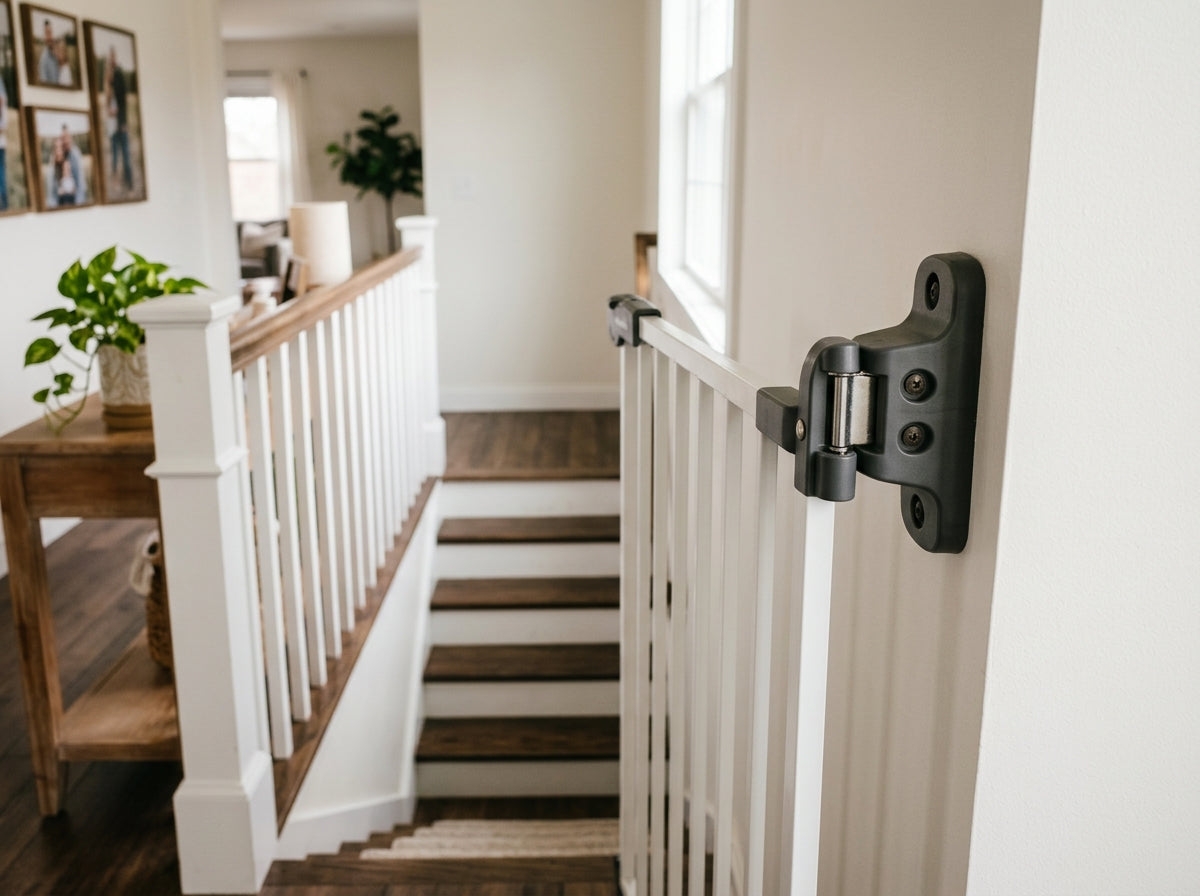
If you find yourself relying on the playpen for most of the day, the more sustainable fix is usually environmental. A baby-proofed living room with a gate across the hallway gives a mobile baby much more developmental range than any play yard can. The playpen becomes one option in a rotation, not the whole rotation.
Safety Inside the Playpen Still Requires Attention
Playpens don’t become safer with longer use. They become harder to monitor. Mesh can develop small tears. Hinges can loosen. Fabric can fray at corners. These are things you catch when you’re using the product intermittently and checking it regularly. Extended use without regular inspection makes wear harder to notice.
The contents matter too. Loose blankets, pillows, bumper-style inserts, and any cord within reach are suffocation and entanglement hazards inside a play yard. These risks increase if a caregiver assumes the playpen is safe and reduces proximity. The CPSC’s safety guidance on play yards is built around the assumption that a caregiver is nearby and attentive. All-day use without regular check-ins undermines that assumption.
Outdoor Play Yards Are Not a Substitute for Varied Environments
Outdoor play yards have real appeal. Fresh air, natural light, and a change of scenery are good for babies. But an outdoor play yard is still a play yard. It solves the "same four walls" problem while creating a new version of the same containment limitation. It doesn’t replace varied indoor environments, caregiver interaction, or free movement on different surfaces.
If you’re using an outdoor play yard, active supervision is non-negotiable. Sun exposure, temperature changes, insects, and the unpredictability of outdoor environments mean this is not a set-and-forget situation. Use it as a supplement, not a solution.
Is it safe to leave a baby in a playpen all day?
How long can a baby safely stay in a playpen?
What should I never put inside a play yard?
Can an outdoor play yard replace indoor floor time?
What’s a better alternative when I need hands-free time?
How often should I inspect a play yard for safety?
When You Need Extended Hands-Free Time
This is the real question most parents are asking. Not "is a playpen safe for an hour?" but "I have things I need to do, what do I do with my baby?" The honest answer is that a playpen is one tool, not the only tool.
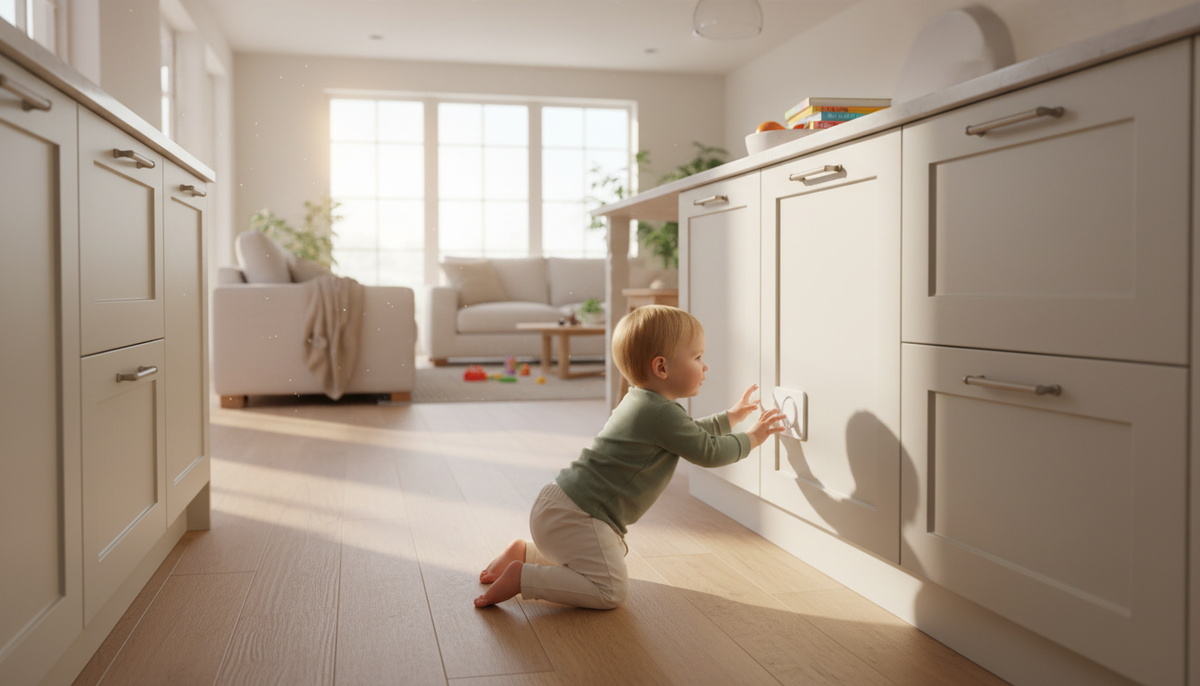
A baby-proofed room with a safety gate is often more developmentally appropriate than a playpen for a baby who’s already mobile. The baby has more room to move, more to look at, and can still hear and see you. Supervised play near you while you work, cook, or fold laundry gives the baby proximity and stimulation simultaneously. Age-appropriate independent play with a small set of toys on a safe floor surface builds the capacity for self-directed exploration that a playpen can undermine over time.
Rotating between these options, using the playpen for specific short tasks, moving to a gated room, then floor time near you, is more developmentally sound than defaulting to the playpen as the primary daytime environment.
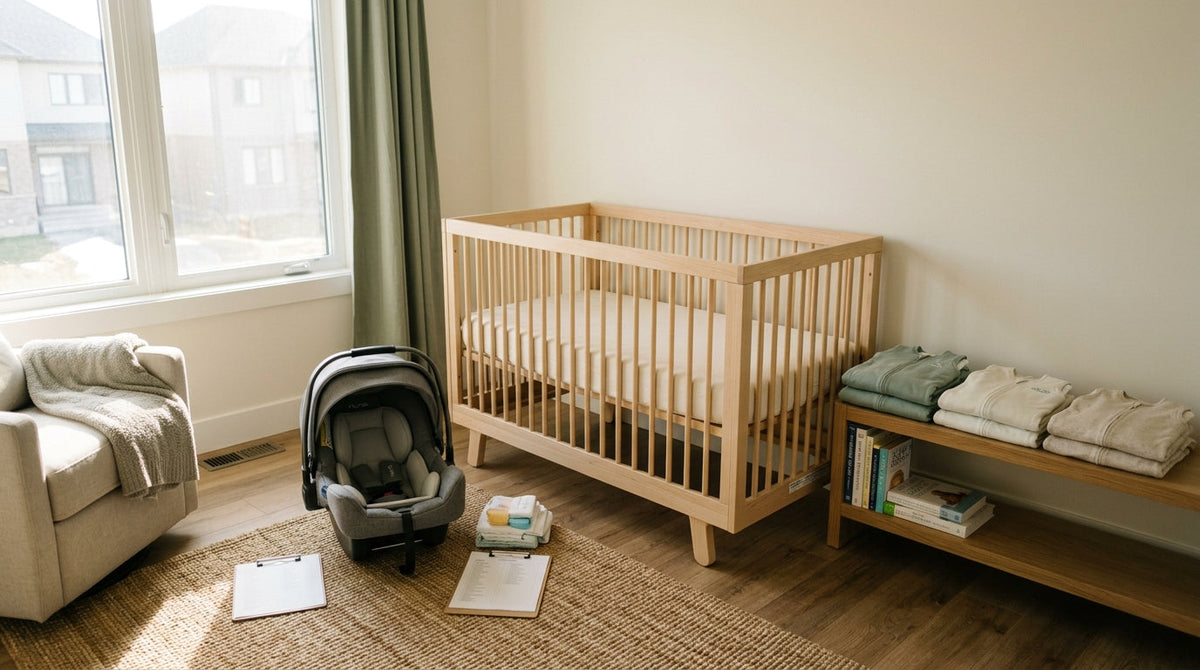
Before Every Playpen Session
A Practical Framework
Use the playpen for what it does well: short, supervised containment during specific tasks. Check it before each use for tears, loose hardware, and anything that shouldn’t be inside it. Keep sessions to under two hours as a general ceiling, and treat that as a maximum rather than a target. Fill the rest of the day with floor time, caregiver interaction, and access to varied spaces as your baby’s mobility increases.
The playpen is a useful tool in a well-stocked toolkit. It becomes a problem when it’s the only tool you reach for.